Secure Africa’s Digital Growth.Protect What Matters.
Talk To Us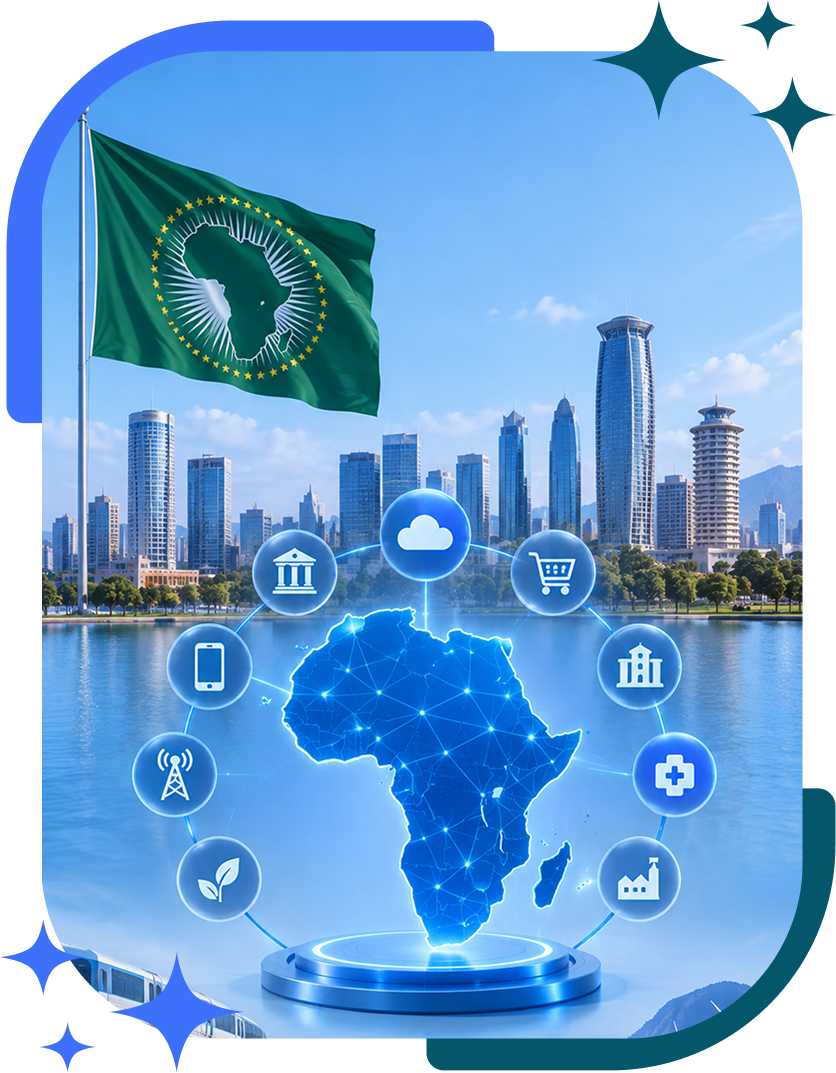
Africa's digital economy is expanding rapidly. Cloud adoption, mobile banking, fintech, e-commerce, digital government, connected infrastructure, and enterprise applications are creating new opportunities for businesses across the continent.
They are also creating a larger cybersecurity attack surface.
CyberSec Consulting helps African organizations strengthen their cybersecurity posture through cybersecurity consulting, security assessments, managed security services, identity security, cloud security, data protection, SOC consulting, GRC consulting, penetration testing, and cybersecurity implementation services.
Our approach combines security strategy, technology, compliance, risk management, and operational support to help organizations build measurable cyber resilience.
From financial institutions and telecommunications companies to government organizations, healthcare providers, energy companies, manufacturers, retailers, logistics businesses, and technology companies, CyberSec Consulting supports organizations looking to protect critical systems, identities, applications, data, and digital infrastructure.
Why Cybersecurity Matters Across Africa
Africa's digital transformation is changing how businesses operate.
Mobile financial services, digital banking, cloud platforms, online commerce, digital identity, connected devices, and remote access have become important components of modern African businesses.
Cybercriminal activity is evolving alongside this transformation.
INTERPOL's 2026 Africa Cyberthreat Assessment reported that artificial intelligence was linked to 55% of reported cybercrime across surveyed African countries. The report also highlighted the growing use of AI-enabled scams, credential harvesting, automated social engineering, synthetic identities, ransomware, and business email compromise.
INTERPOL's 2025 assessment also reported that cybercrime represented a medium-to-high share of reported crime across two-thirds of surveyed African member countries. Online scams, ransomware, business email compromise, and digital sextortion were among the major reported threats.
These developments make cybersecurity risk management in Africa an important business priority.
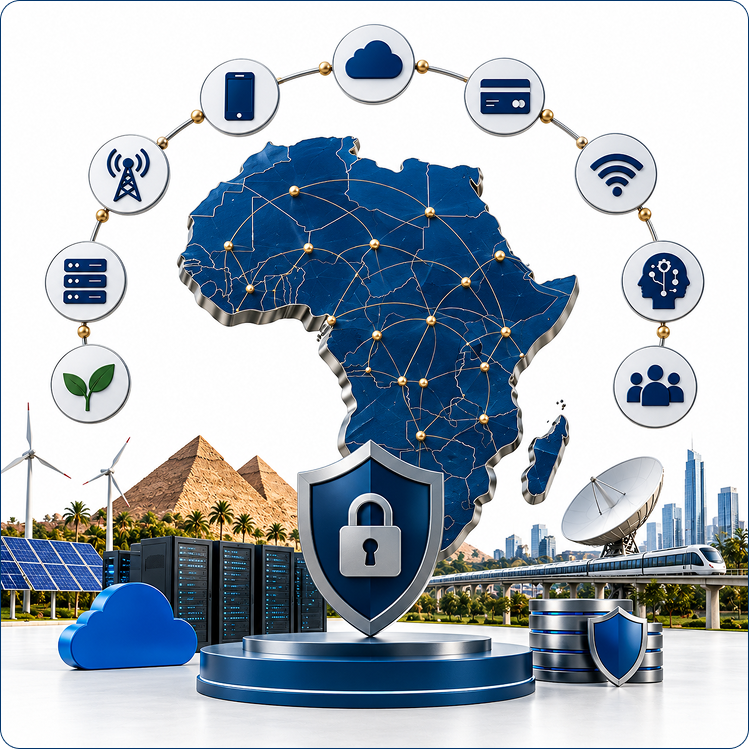
Organizations need security controls that protect:
Cybersecurity Challenges Facing African Businesses
African organizations operate across diverse technology environments, regulatory requirements, infrastructure models, and digital maturity levels. Cybersecurity programs therefore need to address both technology risks and business-specific risks.
Increasing Identity and Credential Attacks
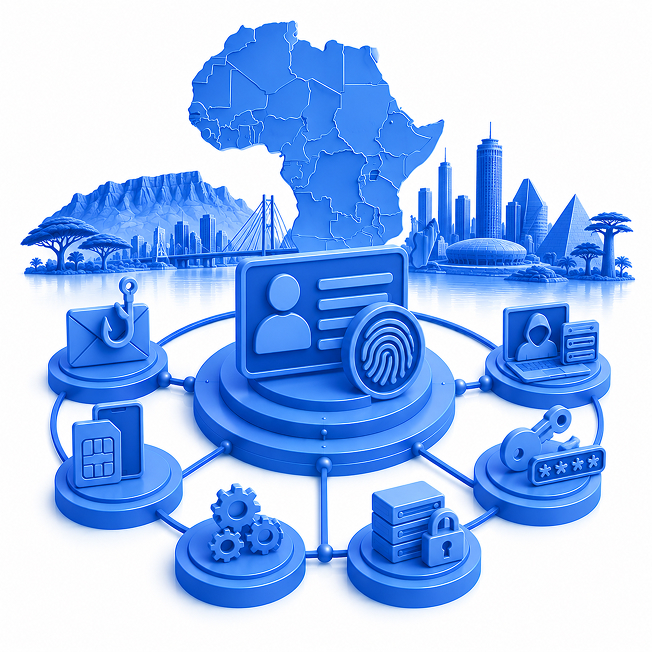
Identity has become a major security boundary for African organizations. Credential theft, phishing, account takeover, privilege abuse, SIM-related fraud, and identity-based attacks can give attackers direct access to business systems.
- Identity and Access Management
- Privileged Access Management
- Single Sign-On
- Multi-Factor Authentication
- Identity Governance
- Access Reviews
- Joiner-Mover-Leaver processes
- Privileged account monitoring
- Identity threat detection
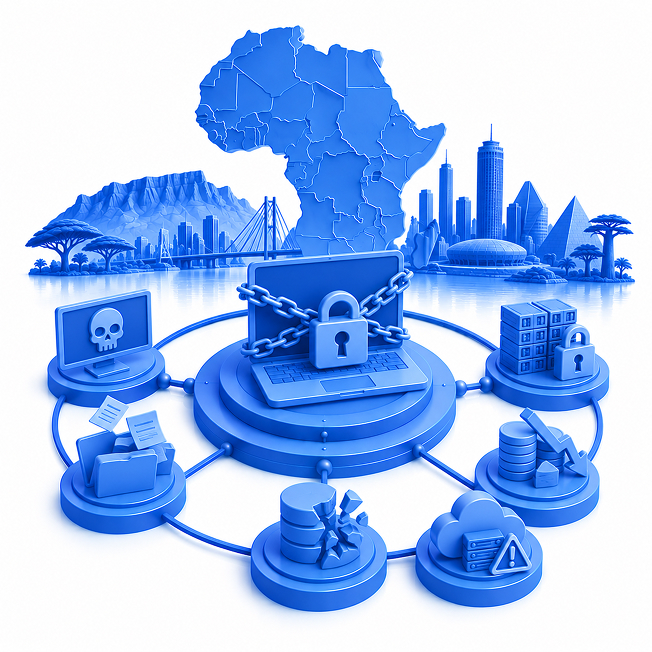
Growing Ransomware Risk
Ransomware continues to affect organizations across African markets. Attacks can disrupt business operations, encrypt critical systems, expose sensitive information, and create significant financial and reputational consequences.
- Endpoints
- Servers
- Networks
- Backup environments
- Cloud workloads
- Identity infrastructure
- Privileged accounts
- Security monitoring
- Incident response
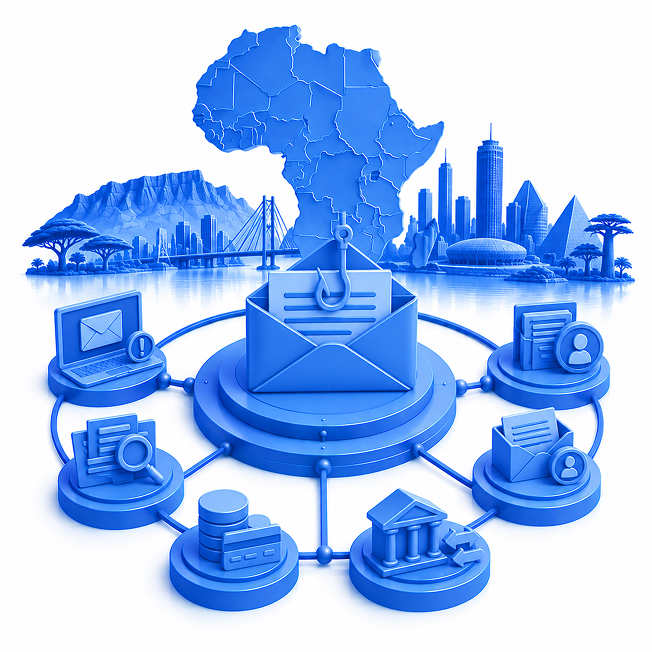
Business Email Compromise
Business Email Compromise remains a significant threat to African organizations. Attackers can compromise executive accounts, impersonate suppliers, manipulate payment instructions, or use social engineering to initiate fraudulent transactions. Security controls need to combine identity security, email security, user awareness, monitoring, and incident response.

Cloud Security Gaps
African organizations are accelerating cloud adoption across financial services, telecommunications, healthcare, retail, technology, and government. Misconfigured cloud resources, excessive permissions, exposed storage, insecure APIs, weak authentication, and insufficient monitoring can increase cyber risk.
- Cloud security assessments
- Cloud configuration reviews
- CSPM consulting
- Cloud IAM
- Cloud workload security
- Cloud compliance assessments
- Cloud risk assessments
- Cloud security architecture
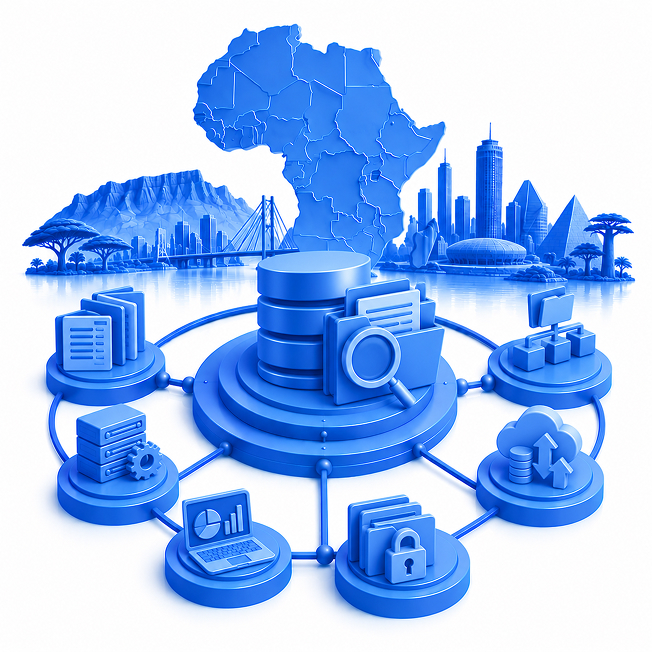
Data Protection and Privacy Risks
Organizations across Africa are managing increasing volumes of customer, employee, financial, healthcare, and business data. Data protection requires more than encryption. Organizations need visibility into where sensitive information resides, who can access it, how it moves, and how it is protected.
- Data classification
- Data discovery
- Data Loss Prevention
- Privacy assessments
- Data governance
- Access governance
- Data security assessments
- Privacy compliance consulting
Cybersecurity Services for African Organizations
CyberSec Consulting provides a broad portfolio of Cybersecurity services in Africa designed to support organizations across different industries and technology environments.
Cybersecurity Assessments Across Africa
A strong cybersecurity program begins with visibility.
CyberSec Consulting helps African organizations understand their current security posture and identify the gaps that require immediate attention.
Our assessment services include:
Cybersecurity Risk Assessment
Identify business-critical cyber risks and prioritize remediation.
Vulnerability Assessment
Discover vulnerabilities across systems, networks, applications, and infrastructure.
Penetration Testing
Validate whether identified weaknesses can be exploited by attackers.
IAM Health Check
Assess identity architecture, access governance, privileged access, authentication, and identity lifecycle controls.
Cloud Security Assessment
Identify cloud misconfigurations, excessive permissions, exposed resources, and security control gaps.
Data Security Assessment
Understand how sensitive information is stored, accessed, transferred, and protected.
Security Maturity Assessment
Measure cybersecurity capabilities against business requirements and recognized security frameworks.