Government
Cyberattacks
Can Disrupt More
Than Systems
GOVERNMENT
Administration Incidents

Government organizations hold some of the most sensitive information in any country.
A successful cyberattack can expose more than confidential data.

Public Services
It can disrupt public services.

Government Operations
Delay government operations.

Citizen Information
Expose citizen information.

Digital Platforms
Interrupt digital platforms.

Institutional Trust
Damage institutional trust.

Regulatory Consequences
Create regulatory consequences.

Espionage Campaigns
Support espionage campaigns.

National Security
Impact national security.
Why Government Is a High Value Cyber Target
Government environments
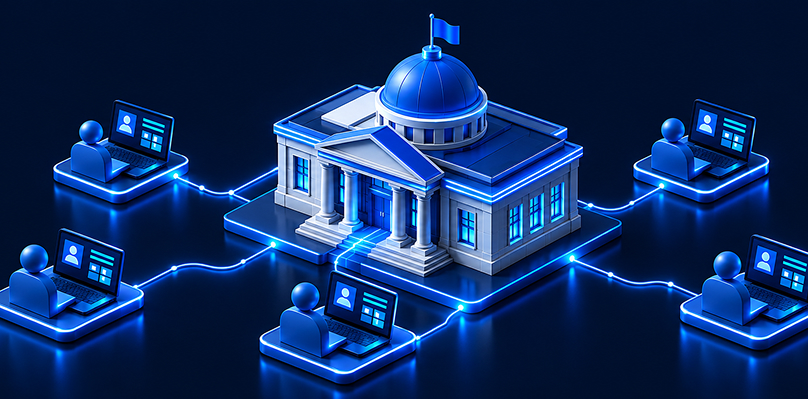
Thousands of employees may access government applications.
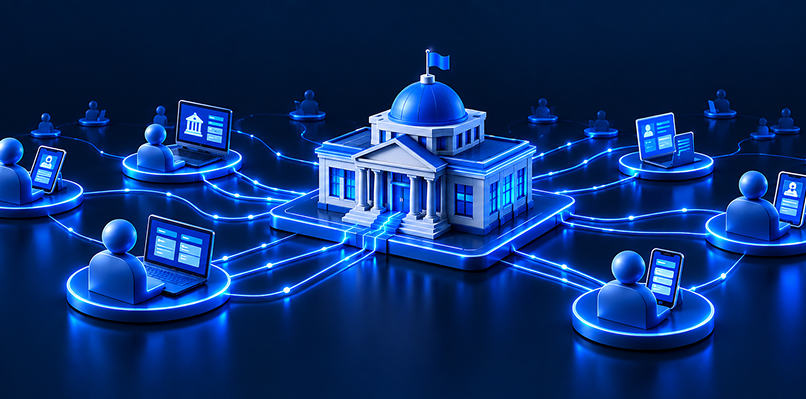
Millions of citizens may depend on digital services.
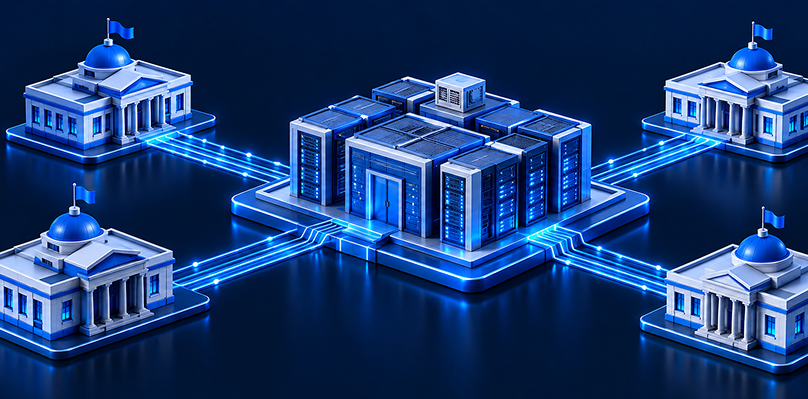
Multiple departments may share infrastructure.
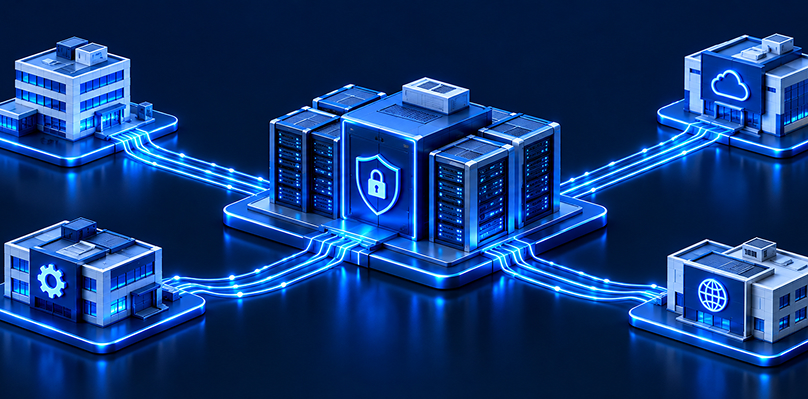
Third party providers may connect to sensitive systems.
Legacy applications may continue supporting critical processes.
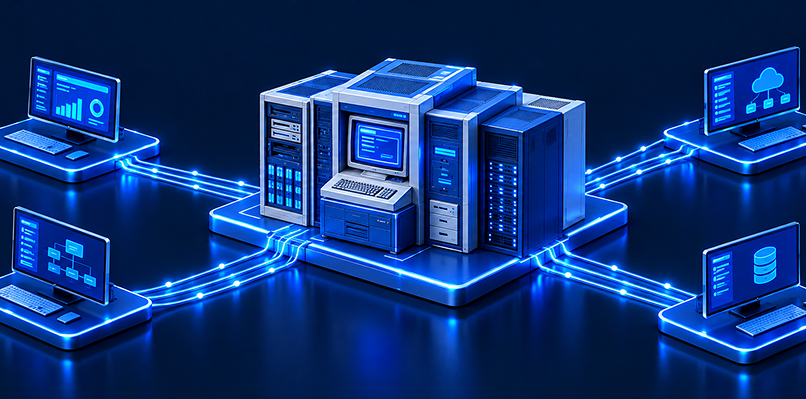
Cloud platforms may hold sensitive government information.

Attackers understand this complexity.
What Happens When Government Systems Are Compromised?
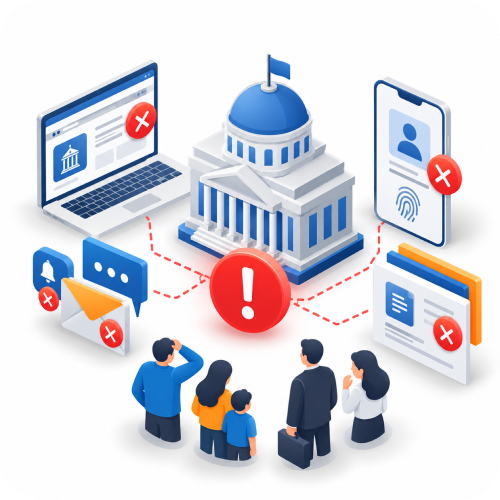
01. Public Services Can Stop
- Government portals may become unavailable.
- Digital identity services may become inaccessible.
- Online applications may fail.
- Public communication channels may be disrupted.
- Service interruptions can affect citizens, businesses and other government departments.
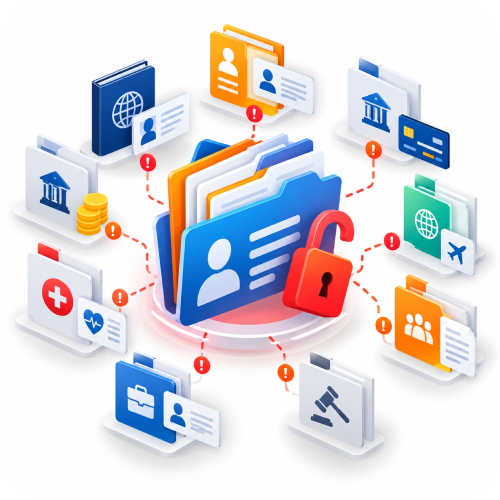
02. Citizen Data Can Be Exposed
- Citizen identity information
- Passport information
- Tax records
- Healthcare information
- Employment records
- Financial information
- Legal records
- Immigration information
- Social service information
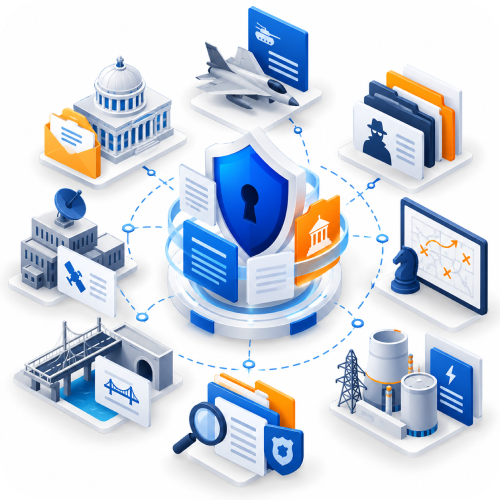
03. National Security Can Be Exposed
- Defense information
- Diplomatic communications
- Intelligence data
- Government strategies
- Infrastructure information
- Law enforcement records
- Security investigations
- Critical infrastructure information
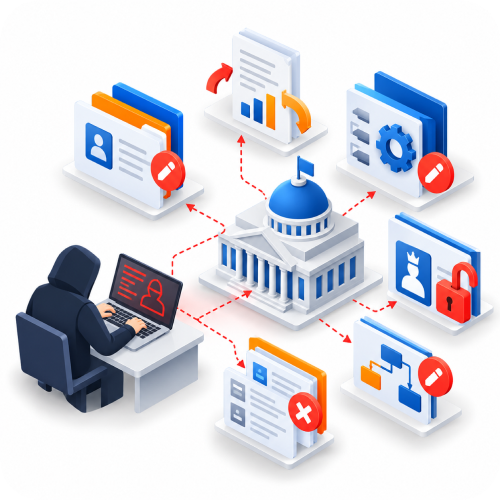
04. Government Operations Can Be Manipulated
- A cyberattack does not always aim to steal information.
- Attackers may attempt to alter information.
- They may manipulate records.
- They may modify configurations.
- They may compromise administrative accounts.
- They may interfere with workflows.
- They may create false information.
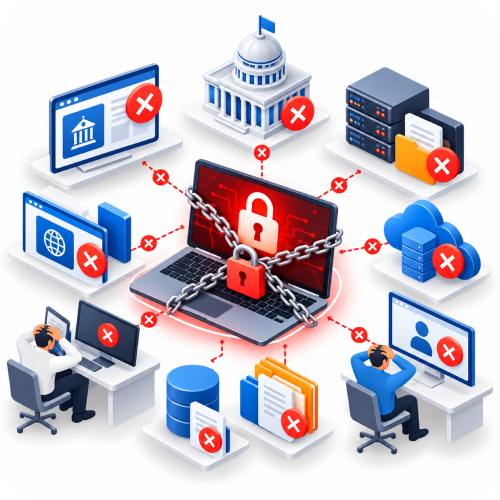
05. Ransomware Can Create Operational Paralysis
- Ransomware can ma ke essential systems unavailable.
- Government employees may lose access to applications.
- Departments may lose access to important records.
- Public portals may become unavailable.
- Recovery can require extensive technical and operational effort.
- A ransomware incident can therefore become a government continuity issue.
Government Cybersecurity Challenge
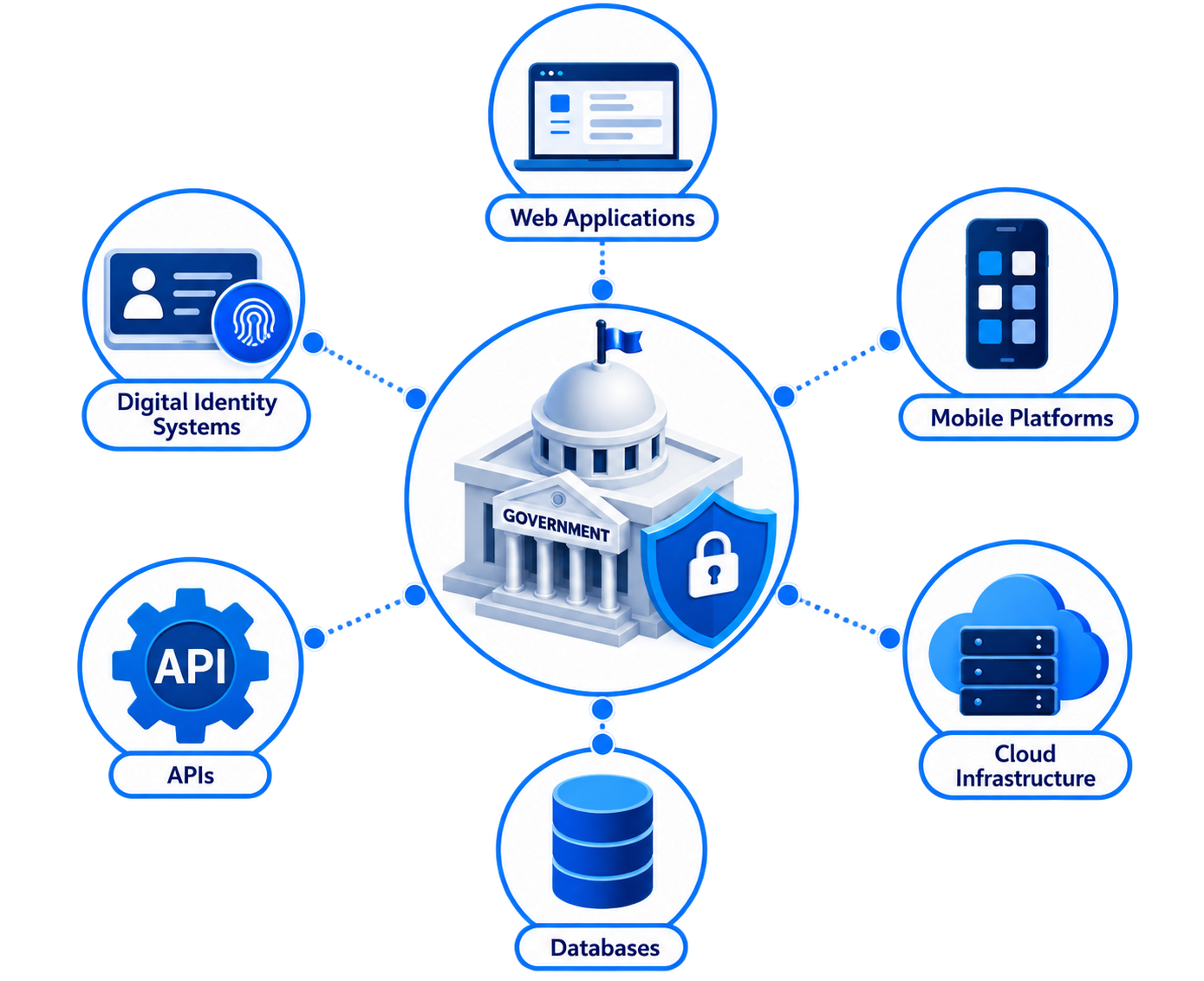
Digital government programs continue to expand.
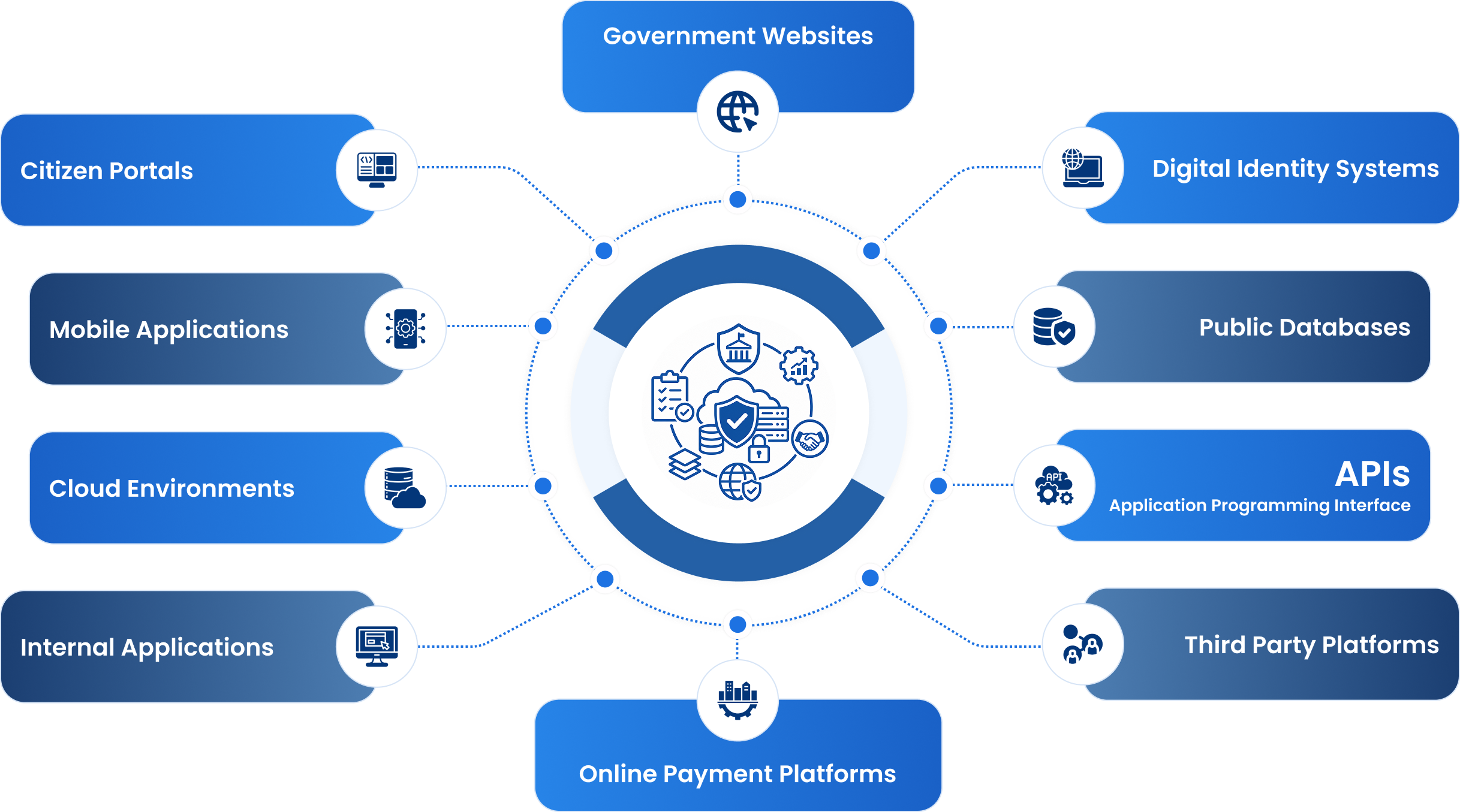
Public services now depend on web applications, mobile platforms, cloud infrastructure, APIs, digital identity systems and interconnected databases.
- Each connection can introduce security dependencies.
- A vulnerability in one environment can affect another.
- A compromised account can provide access beyond its original purpose.
- An exposed application can become an entry point.
- A trusted third party can become an attack path.
- Security teams need visibility across these relationships.
Risks Government Security Teams Need to Watch

Unknown Assets
- Unidentified domains, applications, devices and services can remain outside normal security visibility.
- Attackers can discover these assets before internal teams do.
Cloud Misconfiguration
- Government workloads can span multiple cloud environments.
- Misconfigured storage, identities, applications or permissions can expose sensitive information.
Application Weaknesses
- Public facing government applications can attract continuous scanning and attack attempts.
- A single exploitable weakness can become an initial access point.
Third Party Exposure
- Government ecosystems often depend on external technology providers.
- A weakness within a connected organization can create additional exposure.
Excessive Access
- Employees, contractors and administrators may accumulate access over time.
- Excessive privileges can increase the impact of account compromise.

Legacy Technology
- Older applications may remain important to government operations.
- Security controls may not always match current threat techniques.
Identity Compromise
- Stolen or weak credentials can give attackers legitimate looking access.
- Compromised identities can move across systems without immediate detection.
Security Control Gaps
- Security tools may be deployed but not configured to detect current attack techniques.
- Control effectiveness is often assumed rather than validated.

Limited Detection & Response
- Suspicious activity can remain hidden within large volumes of security data.
- Delayed response can increase operational and public impact.
Why Government Cyber Resilience Matters
Cyber resilience means more than preventing attacks. Government organizations must also be prepared to detect, contain, investigate and recover. A resilient government environment should be able to answer critical questions.
Cybersecurity for Government Organizations
CyberSec Consulting helps government organizations strengthen security across complex digital environments. Our approach focuses on understanding the security risks that matter most to government operations.
 We help security teams understand exploitable weaknesses. We help organizations identify exposure. We help validate security controls & strengthen security readiness. We help improve visibility across digital environments. We help organizations prepare for serious cyber incidents. We help security leaders build measurable cyber resilience.
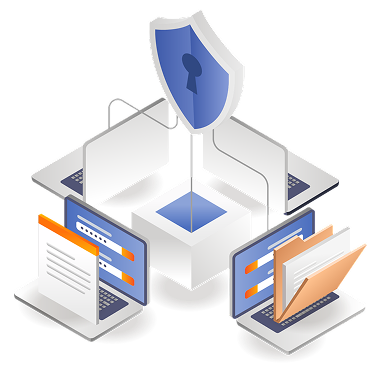
Our government cybersecurity approach can support:

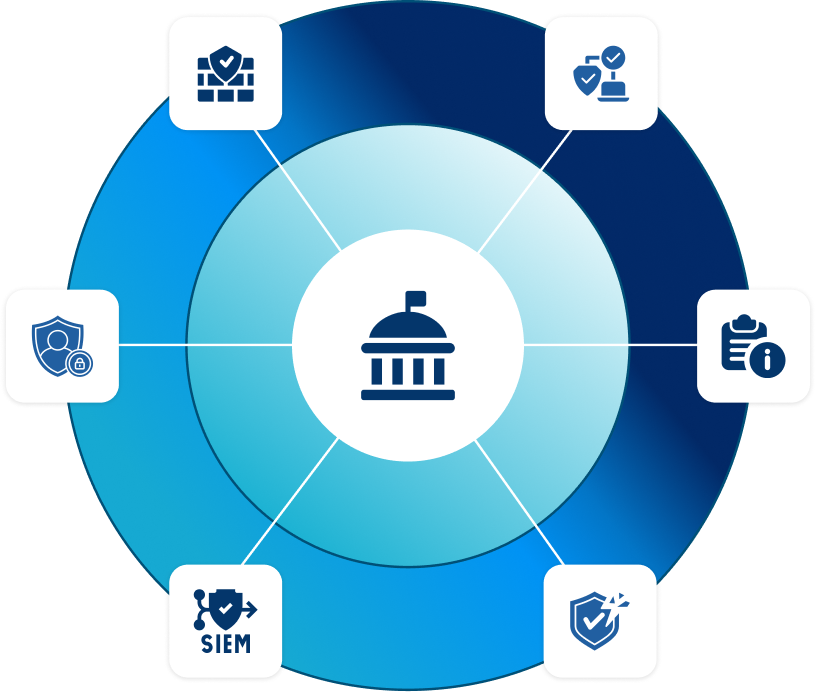
Security Visibility
Understand assets, exposure, access paths & security gaps across complex government environments.
Compliance Readiness
Help government organizations understand security requirements and evidence expectations.

Risk Understanding
Connect technical weaknesses with operational and business consequences.
Attack Readiness
Validate how security controls perform against realistic attack scenarios.
Data Protection
Identify risks surrounding sensitive citizen, employee and government information.

Identity Security
Identify access risks that can increase the impact of compromised accounts.

Incident Preparedness
Prepare teams to identify, contain and recover from significant cyber incidents.
Security Improvement
Turn assessment findings into measurable security improvement priorities.
Government Cybersecurity Built Around Real Risk
Yet important weaknesses may still remain.
The real question is whether these controls can withstand current attack techniques.
CyberSec Consulting focuses on that question.
What Makes Government Cybersecurity Different?
Public sector cybersecurity therefore requires an approach that considers technology, people, processes, information and operational continuity together.
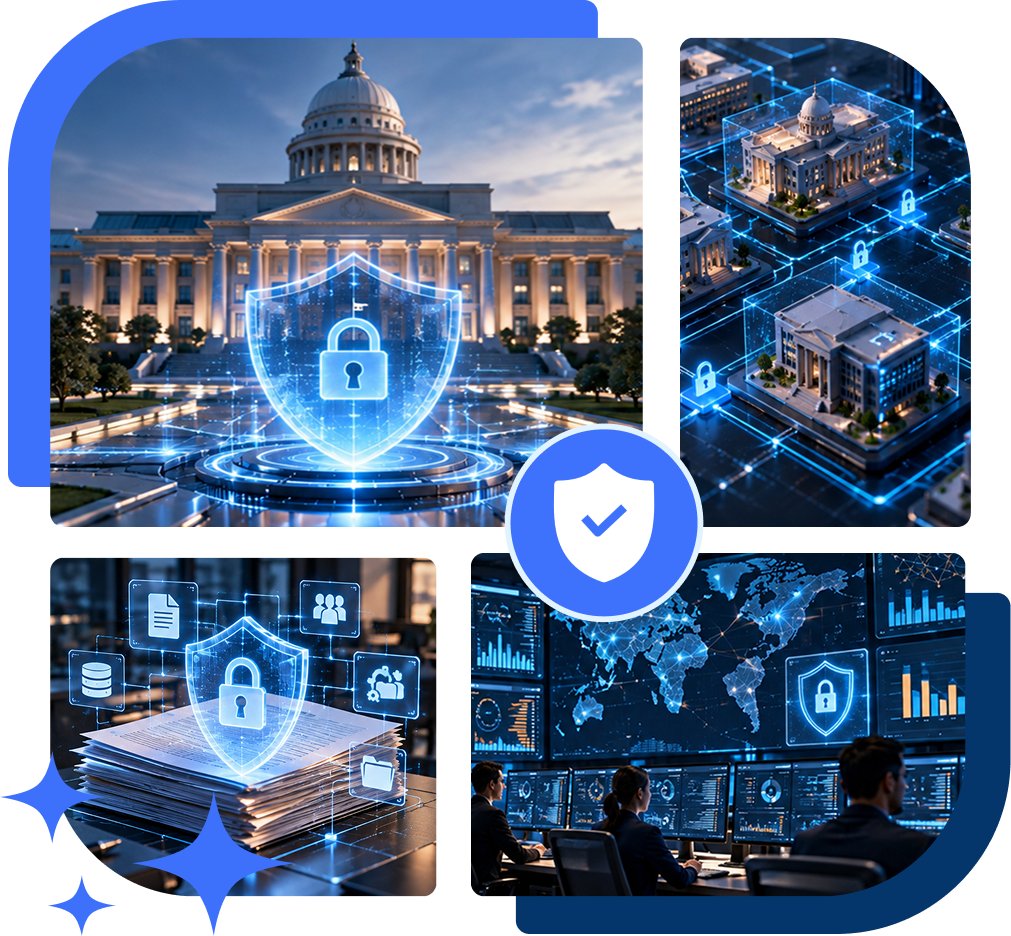
 Government organizations operate under unique security pressures. Citizen expectations are high. Public services must remain available. Sensitive information requires strong protection. Government infrastructure can attract targeted attacks. Regulatory obligations can be extensive. Multiple agencies may share information and infrastructure. Third party dependencies can increase complexity.
Protecting Digital Government Services
Digital government is becoming increasingly dependent on interconnected platforms.
These include:
Protecting Trust Alongside Technology
A government cyberattack can create consequences that are difficult to measure only in financial terms.
 Citizens may question whether their information is protected.
 Government employees may lose confidence in digital systems.
 Public services may experience disruption.
 Partners may reconsider their security relationships.
 Regulators may demand evidence.
 Leadership may face difficult decisions during an incident.
 Cybersecurity therefore protects more than infrastructure.
It supports confidence in digital government.
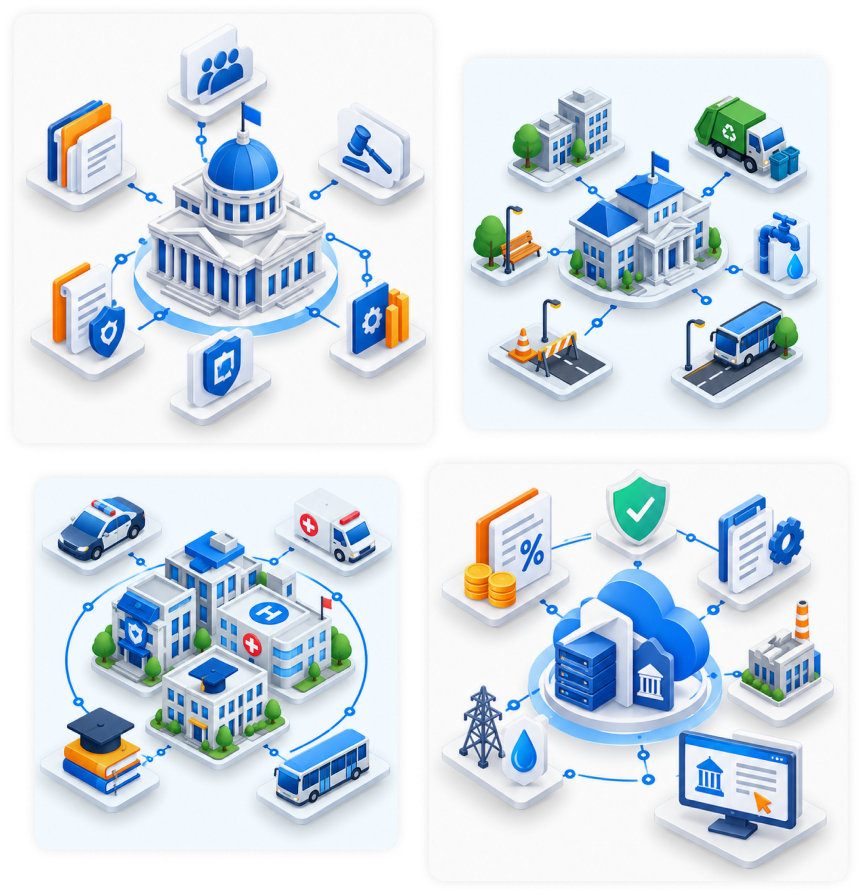
Government Cybersecurity Across Critical Functions
Cybersecurity considerations can extend across:
Why Choose CyberSec Consulting for Government Cybersecurity?
Government security requires experienced security thinking.
CyberSec Consulting brings cybersecurity, identity, risk and compliance expertise together to help organizations understand complex security environments.

Our approach focuses on:
Risk Visibility
Understand where meaningful exposure exists.
Security Validation
Test whether security controls work as expected.
Practical Prioritization
Focus security efforts on risks that can create significant impact.
Continuous Improvement
Use assessment findings to support measurable security maturity.
Security Leadership Support
Give security leaders clearer information for strategic decisions.
Operational Resilience
Prepare organizations to continue critical operations during cyber incidents.
Build a More Resilient Government Security Environment
Government cyber threats will continue to evolve. Attack techniques will change. Technology environments will expand. Digital services will become more connected. Attackers will continue looking for weaknesses across people, applications, identities, infrastructure and third party relationships.
Security teams need to understand their exposure before attackers exploit it.
CyberSec Consulting helps government organizations assess risk, validate security and strengthen cyber resilience.
Protect critical government systems. Strengthen digital trust. Build security that is ready for the next threat.
Talk to CyberSec Consulting →FAQs
Government organizations in the UAE face risks involving ransomware, phishing, identity compromise, data exposure, application attacks, DDoS activity and targeted intrusion attempts. UAE government cybersecurity also needs to consider sensitive citizen information, digital government services and national critical infrastructure.
Government cybersecurity in Saudi Arabia is important because public services increasingly depend on connected digital platforms. Cyberattacks can disrupt government applications, expose sensitive information and affect operational continuity. Security teams should also consider targeted attacks against public sector infrastructure.
Government agencies in Egypt can improve cyber resilience by understanding their digital attack surface, identifying exploitable vulnerabilities, monitoring identity activity and validating security controls. Egypt cybersecurity programs should also consider sensitive government data, public digital services and regulatory requirements.
Government cybersecurity in the UK plays an important role in protecting public services, government information and essential digital infrastructure. Security teams need to address ransomware, phishing, identity compromise, software vulnerabilities and targeted attacks while maintaining service continuity.
Government cybersecurity in Qatar needs to address risks across public applications, digital services, identities, sensitive information and connected infrastructure. Security teams should also prepare for ransomware, DDoS attacks, phishing, credential compromise and targeted intrusion activity.
Government organizations across Africa operate increasingly digital public services and connected infrastructure. Cybersecurity challenges can include ransomware, phishing, data theft, identity compromise and attacks against public facing applications. Security priorities should reflect each organizations technology and operational environment.
A government database breach can expose citizen information, employee records, financial information, legal information or other sensitive data. Attackers may use stolen information for fraud, identity theft, extortion or further attacks.
Yes. Ransomware can make applications, databases and operational systems unavailable. Government employees may lose access to essential resources. Citizens may also lose access to digital public services.
Government websites provide highly visible public access points. Attackers may target them for disruption, exploitation, information gathering, political objectives or broader intrusion campaigns. Vulnerable web applications can also provide an initial entry point into connected environments.
Privileged accounts can provide extensive access to government systems and sensitive information. A compromised administrative account can therefore increase the potential impact of an attack. Strong access governance, monitoring and security validation can reduce this exposure.
A serious cyberattack can affect confidence in digital government services. Citizens may become concerned about the protection of their information. Service disruption can also affect confidence in the availability and reliability of public platforms.
Preparation should include clear incident response processes, tested recovery procedures, security monitoring, asset visibility, access controls and regular security validation. Government leaders should also understand which systems and services are most critical to continuity
Yes. Suppliers can create additional access paths into government environments. Weak security controls within a connected organization can increase exposure. Third party risk assessment should therefore form part of a broader government cybersecurity strategy.
CyberSec Consulting helps government organizations understand security exposure, validate controls, identify meaningful weaknesses and improve cyber resilience. Our approach focuses on government risk, operational impact and security readiness rather than simply increasing the number of security technologies deployed.
Cybersecurity readiness can be evaluated through asset visibility, vulnerability exposure, control effectiveness, identity security, detection capability, incident response readiness and recovery capability. Regular assessment can help government security leaders track improvement over time.
Priority should depend on potential impact, exploitability, exposure and the importance of the affected system. Critical weaknesses affecting sensitive data, privileged access or essential public services may require urgent attention.
Security controls can appear operational while still failing against specific attack techniques. Regular testing helps determine whether controls can detect, prevent or respond to realistic attack activity. This provides stronger evidence of actual security readiness.
Government organizations can identify hidden cyber risks by mapping assets, reviewing external exposure, examining access privileges, testing applications and validating security controls. Continuous visibility can help identify risks that standard security dashboards may not reveal.
Copyright © 2026 CyberSec Consulting - All Rights Reserved