Secure Your
Digital Assets
Before Attackers
Target Your Real
Assets

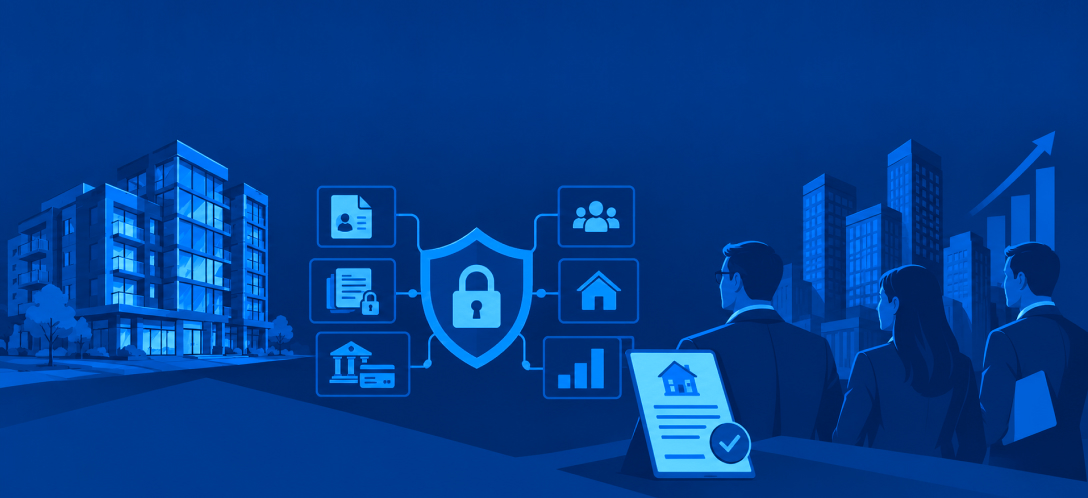
How Dangerous Can a Cyberattack Be for Real Estate?
A real estate cyberattack can cause significant financial and operational damage. Criminals may target property agencies, real estate developers, investment firms, landlords and property management companies.
The impact can reach beyond the systems initially compromised.
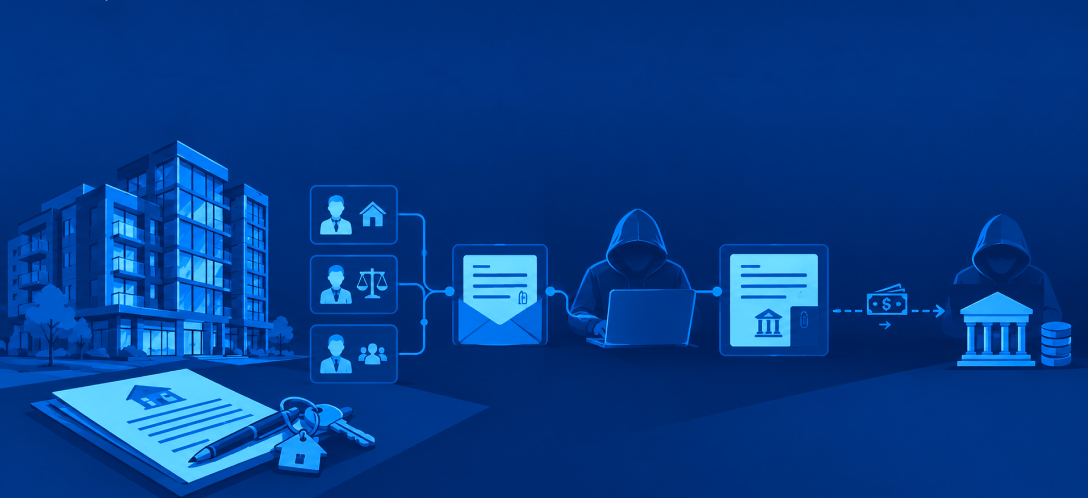
Property Transaction Fraud
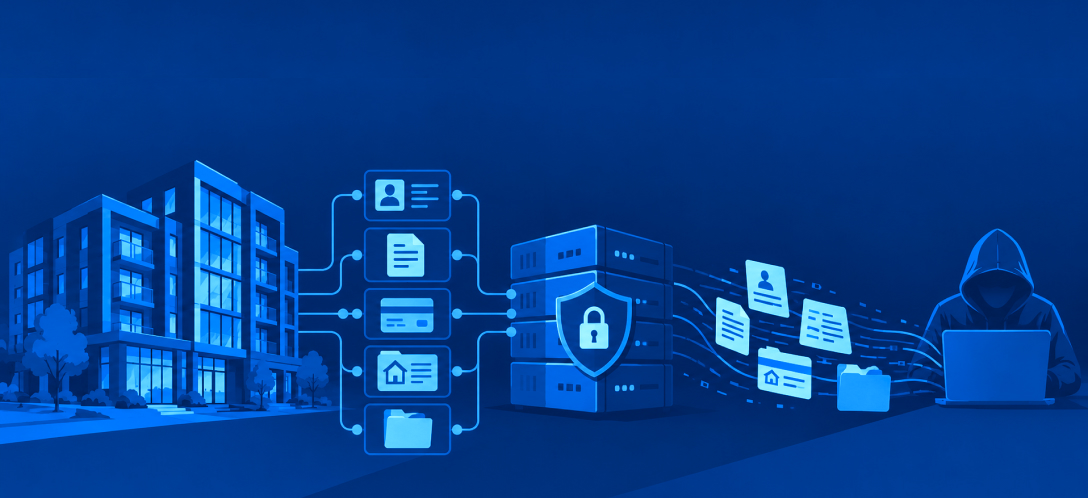
Client and Tenant Data Breaches
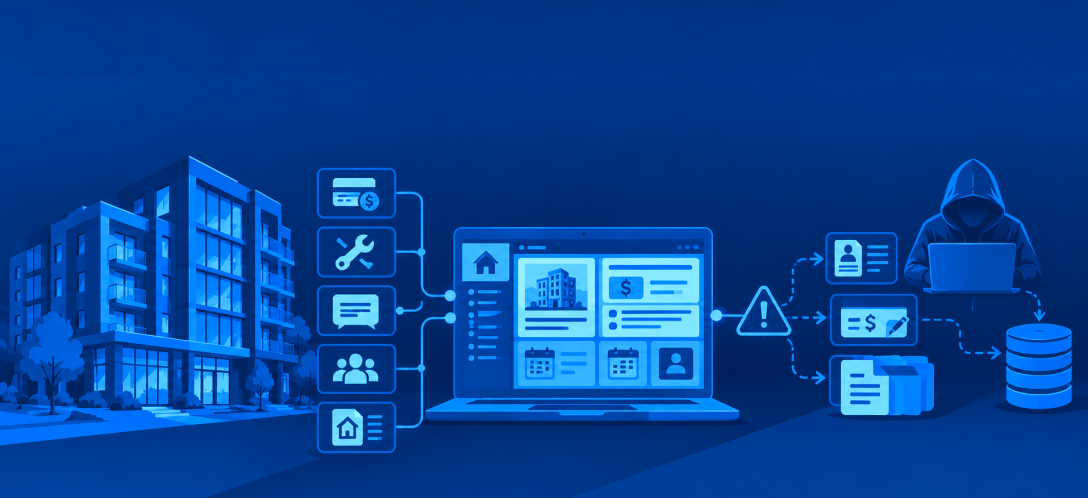
Property Management System Attacks
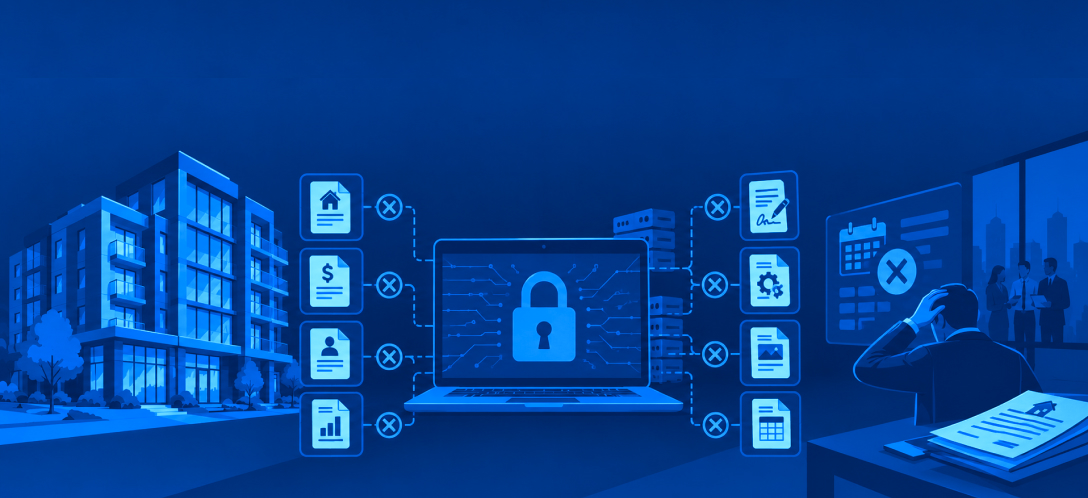
Ransomware and Business Disruption
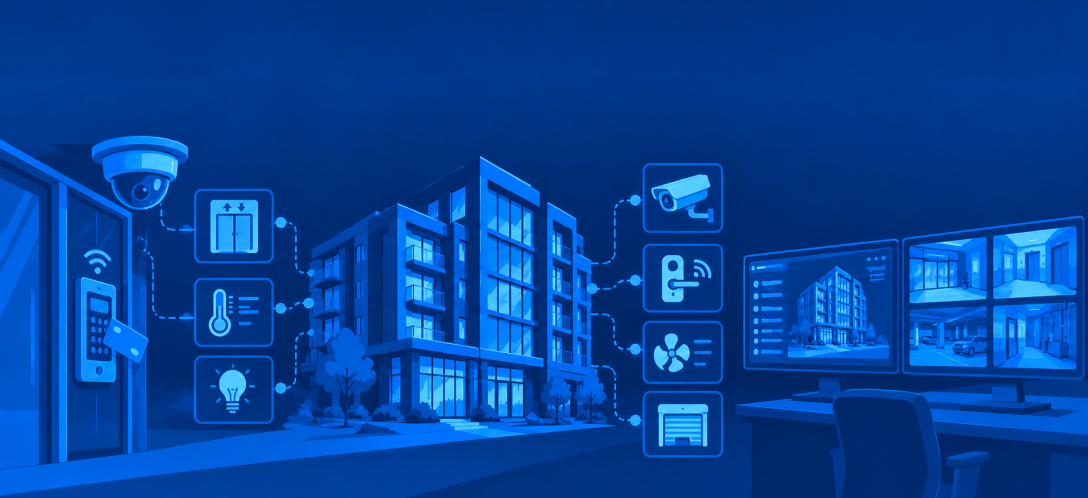
Smart Building and IoT Security Risks
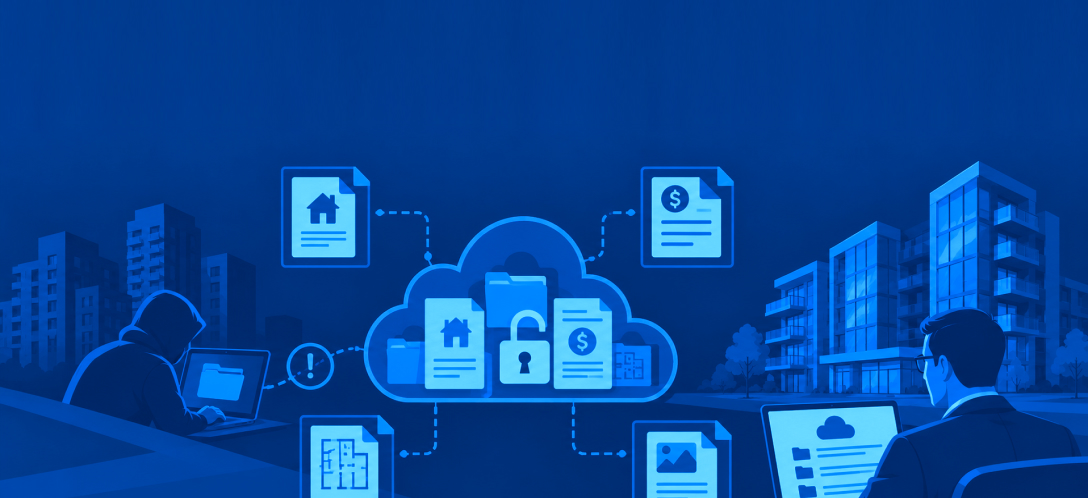
Cloud Storage and Document Exposure
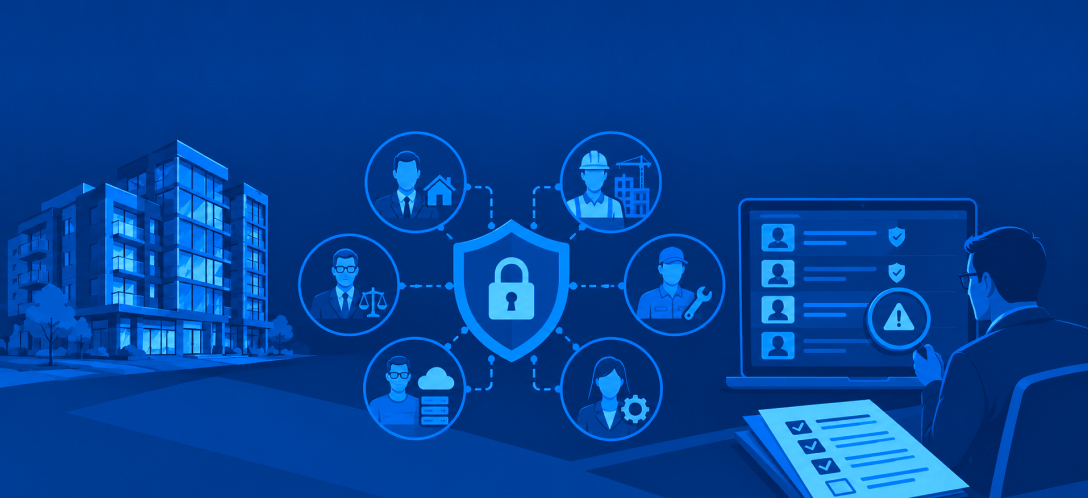
Third Party and Supplier Compromise
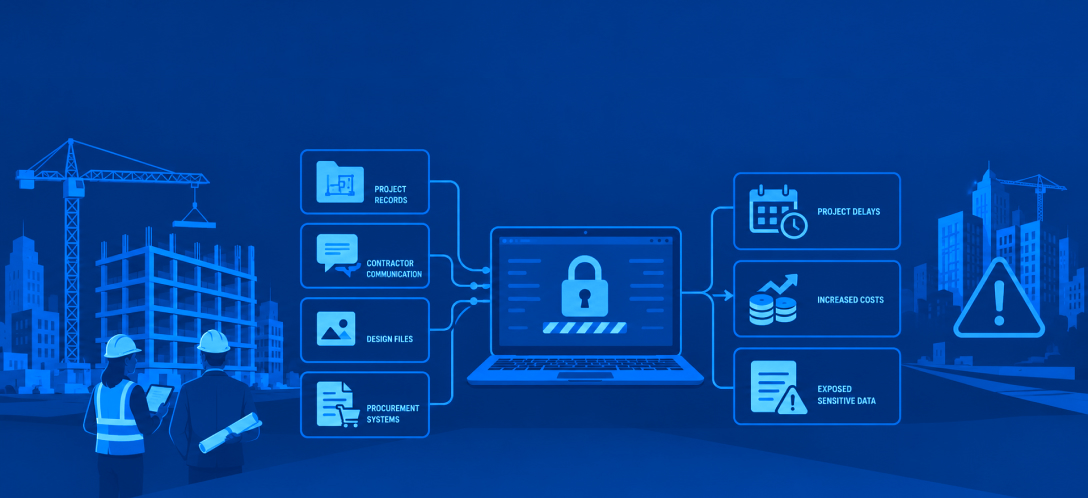
Property Development and Project Delays
Reputation and Investor Confidence
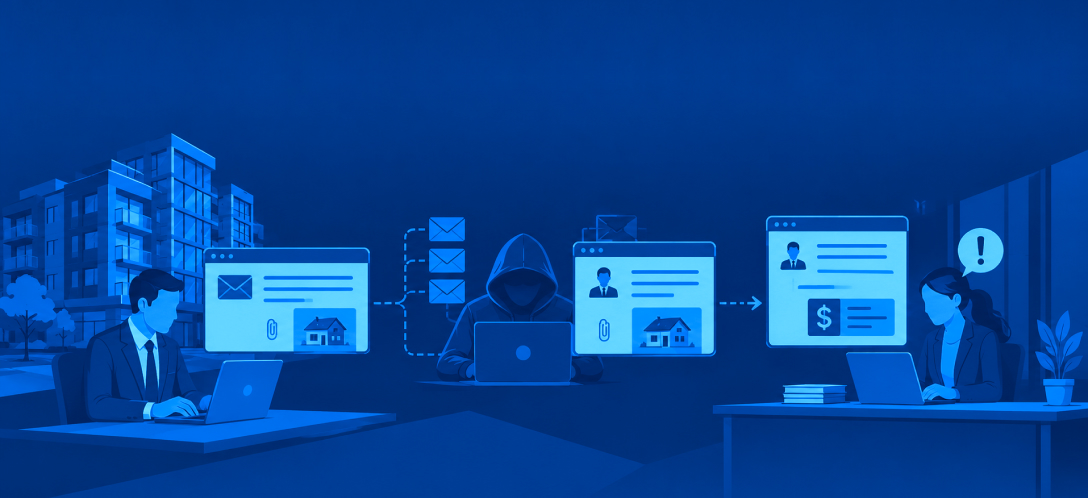
Business Email Compromise
Major Cybersecurity Challenges Facing the Real Estate Industry
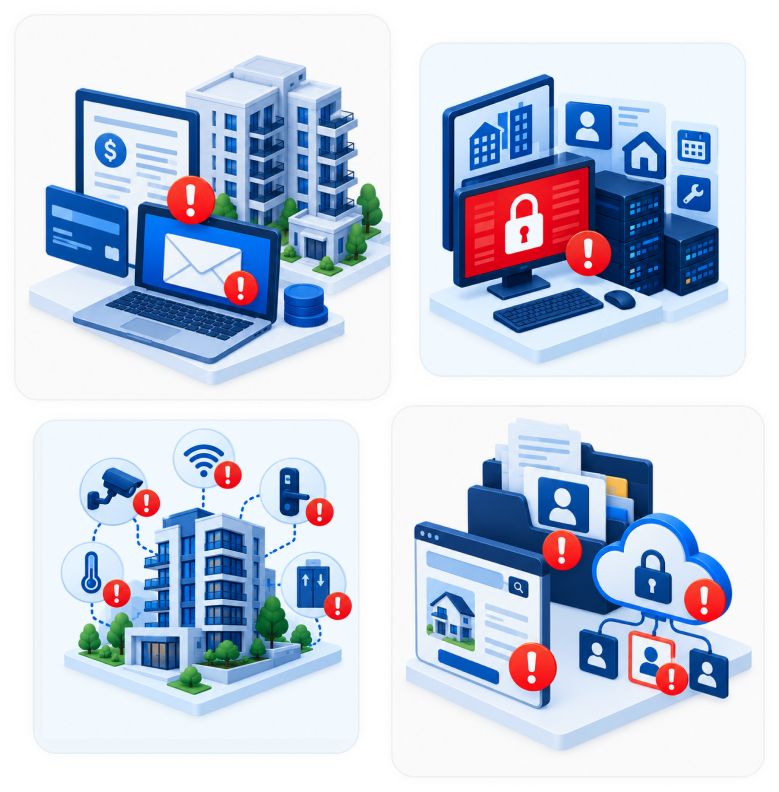
Real estate businesses face a changing threat landscape as property services become more connected. Cybersecurity risks can emerge across offices, construction projects, investment platforms and managed properties.
Key real estate cybersecurity challenges include:
How CyberSec Consulting Helps Protect Real Estate Businesses
CyberSec Consulting helps real estate organisations assess cyber exposure and improve their security posture. Our approach considers the risks affecting property transactions, client information, business applications and connected infrastructure.

Real Estate Cyber Risk Assessment
Identify vulnerabilities that could expose property systems, transaction records and business operations. Prioritise security improvements based on risk and business impact.
Property Platform and Application Security
Evaluate the security of property portals, online applications and supporting systems. Identify weaknesses that could expose client data or interrupt digital services.

Identity and Access Security
Review access to sensitive property records, business applications and privileged accounts. Help reduce the risk of compromised credentials and excessive permissions.
Cloud and Infrastructure Security
Identify security gaps across cloud environments, office networks and business infrastructure. Improve visibility into exposed systems and misconfigurations.
Payment and Transaction Security
Assess security risks around financial workflows, email communication and transaction processes. Help reduce exposure to payment diversion and unauthorised activity.
Managed Cybersecurity and Threat Monitoring
Improve visibility into suspicious activity and potential security incidents. Strengthen the organisation's ability to investigate threats and respond to emerging risks.

Compliance and Data Protection
Assess security controls that protect personal information and confidential business records. Help organisations understand relevant regulatory and contractual requirements.

Security Awareness and Incident Readiness
Help employees recognise phishing, fraudulent payment instructions and suspicious access requests. Improve readiness to respond to incidents that could affect property transactions and operations.
Secure Your Real Estate Business with CyberSec Consulting
Property assets are valuable. The information and systems behind every transaction are valuable too. A single cyberattack can expose client records, redirect property payments and interrupt essential business operations. Real estate companies need to identify these risks before attackers exploit them.
CyberSec Consulting helps property developers, real estate agencies, property managers and investment firms strengthen their cybersecurity posture. Our team can help identify weaknesses, assess business exposure and prioritise security improvements. Protect Every Property Transaction. Secure Every Digital Asset.
Assess Your Real Estate Cybersecurity Risks
Speak with CyberSec Consulting about protecting property systems, confidential records and business operations.
Talk to CyberSec Consulting →FAQs
Real estate cybersecurity in the UAE helps protect property transactions, buyer information, tenant records and investment data. Cybercriminals may target payment instructions, business email accounts and property management platforms. Real estate companies should assess vulnerabilities and strengthen controls around sensitive information and financial workflows.
Real estate developers in Saudi Arabia may face ransomware, payment fraud, data theft and attacks against project management systems. Contractor access and connected building technology can also increase exposure. A cybersecurity risk assessment helps developers identify weaknesses and protect critical business operations.
Real estate businesses across Africa can reduce cyber risk by reviewing access permissions, securing financial communication and assessing external suppliers. Regular security testing and employee awareness can help identify weaknesses before they lead to financial loss or data exposure.
Real estate companies in Egypt should protect identity documents, property contracts, tenant records and financial information. Strong access controls, secure document sharing and regular security reviews can help reduce data exposure. Organisations should also consider applicable Egyptian data protection requirements.
Real estate agencies in the UK should consider business email compromise, payment diversion, ransomware and personal data breaches. They should also assess their obligations under UK GDPR and the Data Protection Act 2018 where applicable. Security reviews can help identify weaknesses in transaction processes and information handling.
Property management companies in Qatar can improve cybersecurity by securing tenant portals, reviewing user access and protecting building management systems. Supplier security and connected devices also deserve attention. Organisations should consider relevant Qatari data protection and cybersecurity requirements.
Common threats include business email compromise, phishing, ransomware, credential theft, payment fraud and data breaches. Attackers may also exploit vulnerable property applications or compromised supplier accounts. The most relevant risks depend on the organisation’s systems and business activities.
Business email compromise can allow criminals to impersonate agents, clients or legal representatives. Attackers may alter payment instructions or request fraudulent transfers. Independent verification of payment changes and strong account security can help reduce the risk.
Yes. Ransomware can block access to tenant records, maintenance systems, lease agreements and financial applications. The disruption can delay rent processing, repairs and other essential activities. Recovery planning helps organisations prepare for system outages and data loss.
Real estate companies should limit access to tenant records and protect sensitive documents throughout their lifecycle. Regular access reviews, secure storage and appropriate monitoring can reduce exposure. Organisations should also maintain clear procedures for handling suspected data breaches.
Cloud platforms often store contracts, property documents, financial records and customer information. Misconfigured permissions or compromised accounts can expose these files. Cloud security reviews help identify excessive access, insecure settings and other weaknesses.
Smart buildings require appropriate protection for connected access systems, cameras, sensors and building management platforms. Organisations should identify connected assets, restrict access and review device security. Network separation and timely updates can help reduce the impact of a compromised device.
A real estate cybersecurity risk assessment identifies threats and weaknesses affecting an organisation’s systems, data and operations. It evaluates potential business consequences and helps prioritise remediation. The assessment can cover property platforms, networks, cloud environments and external access.
Real estate companies should verify payment instructions through a separate trusted channel. They should secure email accounts, review transaction workflows and restrict access to financial systems. Staff awareness and clear approval procedures can help prevent fraudulent transfers.
Penetration testing helps identify exploitable vulnerabilities in applications, networks and other systems within the agreed scope. Property developers can use the findings to prioritise remediation and reduce the risk of unauthorised access to project data or business systems.
Copyright © 2026 CyberSec Consulting - All Rights Reserved