Keep the Power
Flowing.
Keep the
Threats Out.

Keep the
Threats Out.
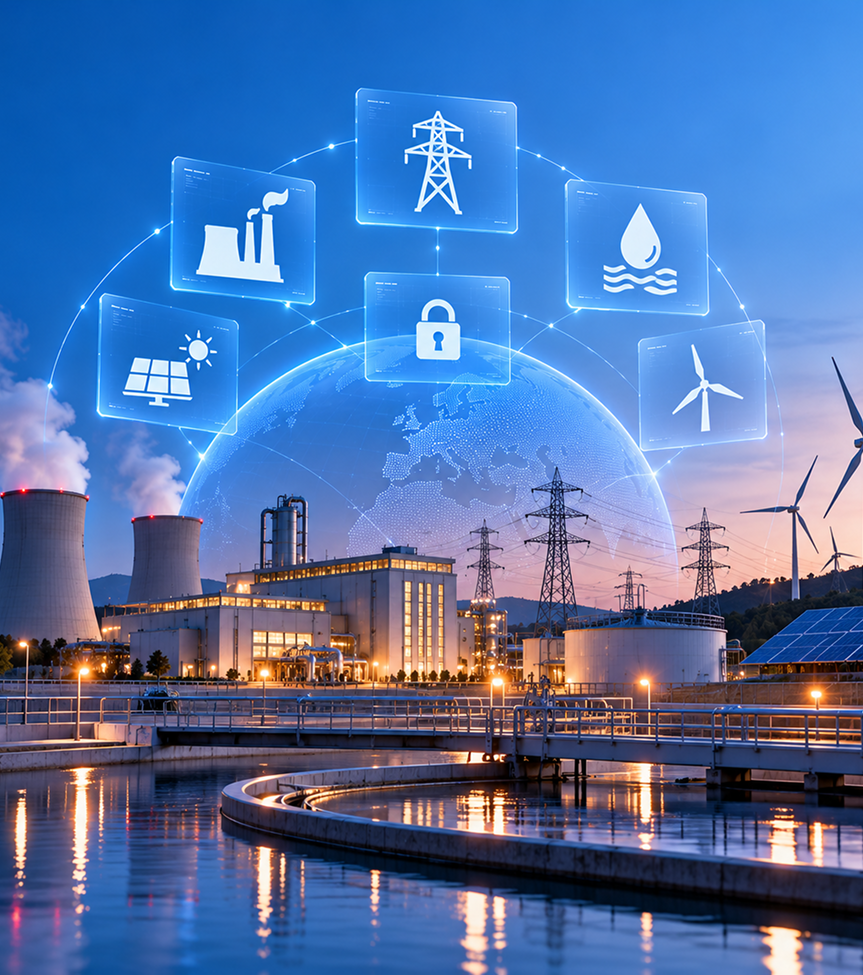
200 reported energy sector incidents in 2024. Energy was the second most affected sector in the European Union’s 2024 incident reporting data. The incidents included malicious activity and system failures. [Source: European Commission annual incident report]
42% of reported energy sector incidents in that dataset involved malicious actions. System failures accounted for another 47%.
30 ransomware incidents targeted electric utilities in Dragos’s 2024 industrial ransomware analysis. Water utilities recorded another 12 incidents.
75% of ransomware incidents handled by Dragos’s industrial incident response teams disrupted OT operations to some degree. Another 25% resulted in a full OT shutdown. These figures relate to Dragos response cases across industrial environments, not utilities alone.
A cyberattack on a utility provider can threaten far more than computer systems. It can interrupt electricity, affect water treatment, disrupt distribution networks and undermine essential public services.
Electricity providers, water companies, wastewater facilities and renewable energy operators depend on connected operational technology. A compromised system can create consequences across homes, hospitals, transport networks, industrial facilities and businesses.
CyberSec Consulting helps utilities organisations assess cyber risk, protect critical infrastructure and strengthen operational resilience.
Utilities form the backbone of modern economies. Electricity powers critical facilities. Water treatment supports public health. Wastewater systems protect communities and the environment. Renewable energy facilities contribute to national energy security.
A successful cyberattack can disrupt these interconnected services. The impact can spread well beyond the organisation that suffers the initial compromise.
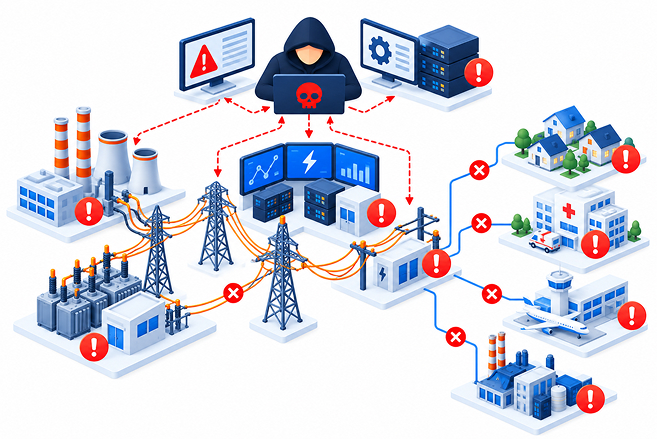
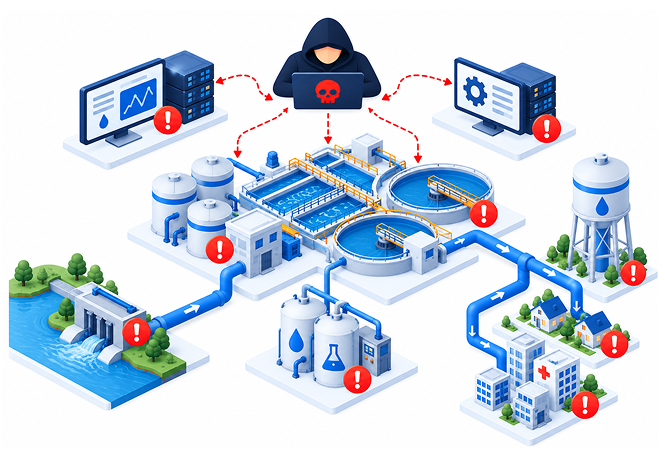
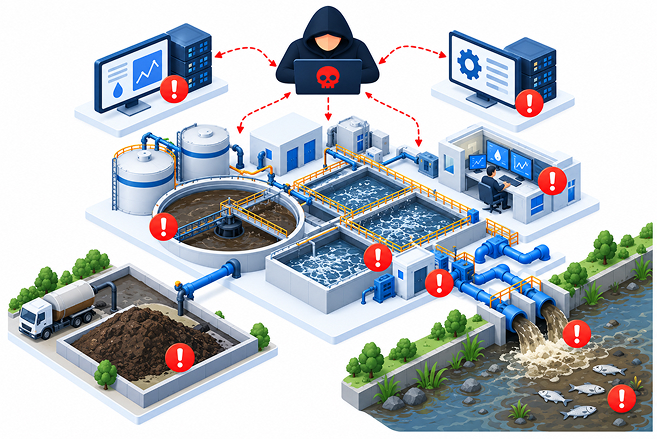
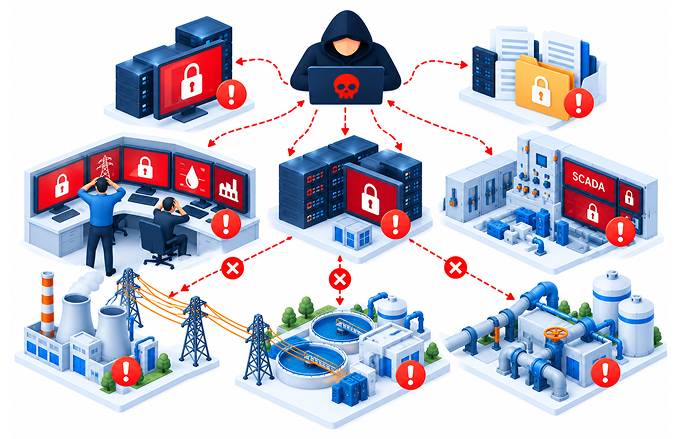
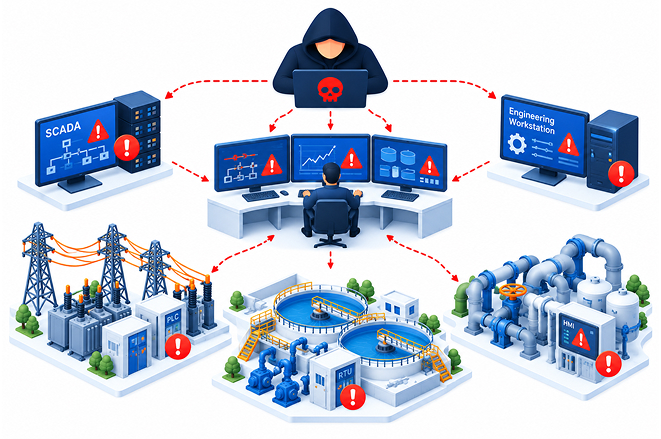
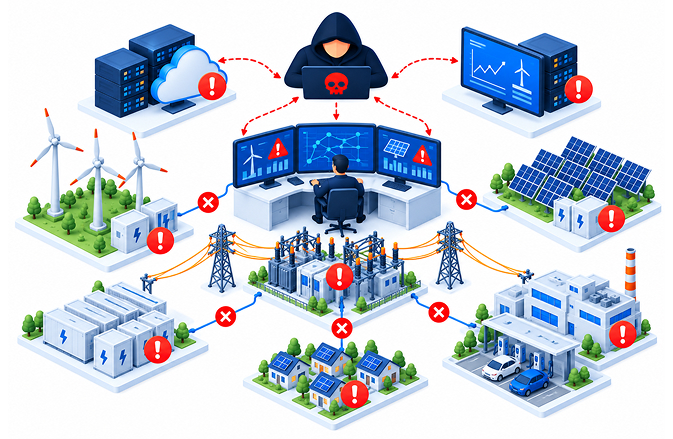
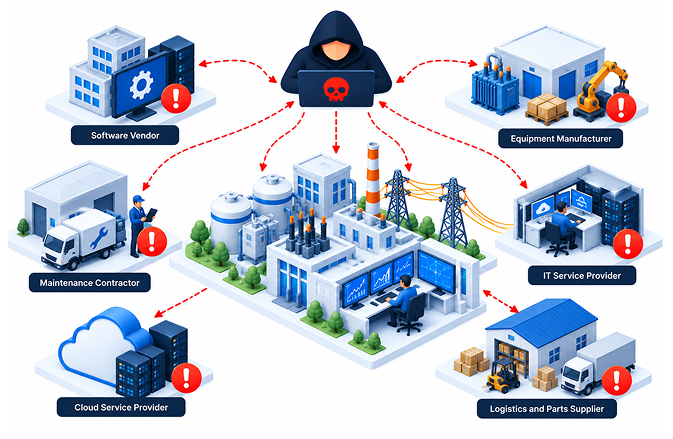
The consequences can be immediate and far reaching.

Electricity, water or wastewater services may become unavailable or operate with reduced capacity.

Compromised monitoring or control systems may affect safe operational decisions.

Recovery costs, lost revenue, emergency expenditure and contractual penalties can place pressure on utility operators.

Disrupted water treatment or wastewater operations may create environmental and public health concerns.

Service interruptions and data exposure can weaken public trust.

Incidents may trigger investigations, reporting obligations and compliance reviews.

Utility disruptions can affect healthcare, telecommunications, transport, financial services and other essential sectors.

Restoring critical infrastructure may require technical investigation, equipment validation, system rebuilding and careful operational testing.
Utility environments combine enterprise technology with systems that control physical processes. Security measures must account for operational availability, safety and the specific requirements of industrial equipment.
Engineers and external contractors may need remote access to maintain infrastructure. Poorly controlled access can expose sensitive systems to credential theft and misuse.
Unpatched software, insecure configurations and unsupported components can increase cyber risk. Utilities need risk based remediation plans that account for operational constraints and the importance of each asset.
Suspicious activity may move between business networks, cloud services and operational systems. Security teams need to identify unusual behaviour and understand which assets could be affected.
SCADA and industrial control systems can become attractive targets when exposed interfaces, weak credentials or outdated software create opportunities for unauthorised access. Organisations need clear visibility into critical assets and their connections.
A recovery plan must address more than restoring files. Utilities may need to validate control system integrity, confirm safe operating conditions and coordinate with external stakeholders before returning affected services to normal operation.
CyberSec Consulting helps utilities organisations address security risks that could threaten essential operations, sensitive information and service continuity.
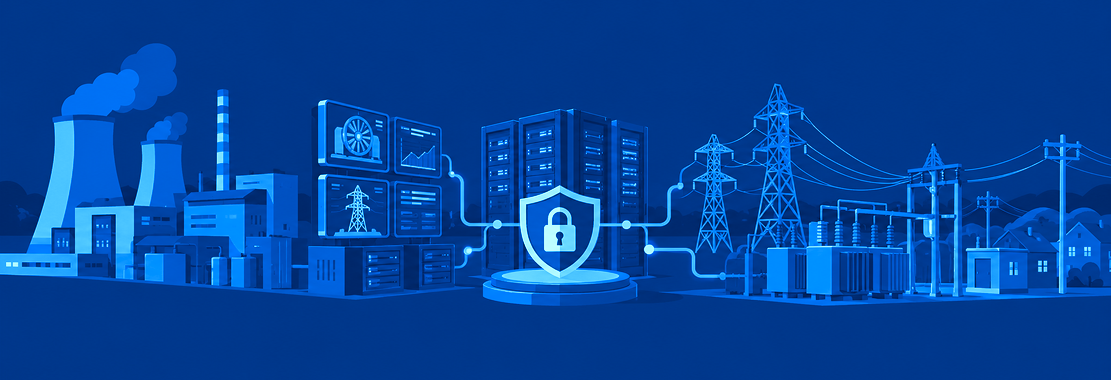
Protect the digital environments supporting power generation, transmission, substations and electricity distribution. Identify weaknesses that could expose operational systems or disrupt reliable power delivery.
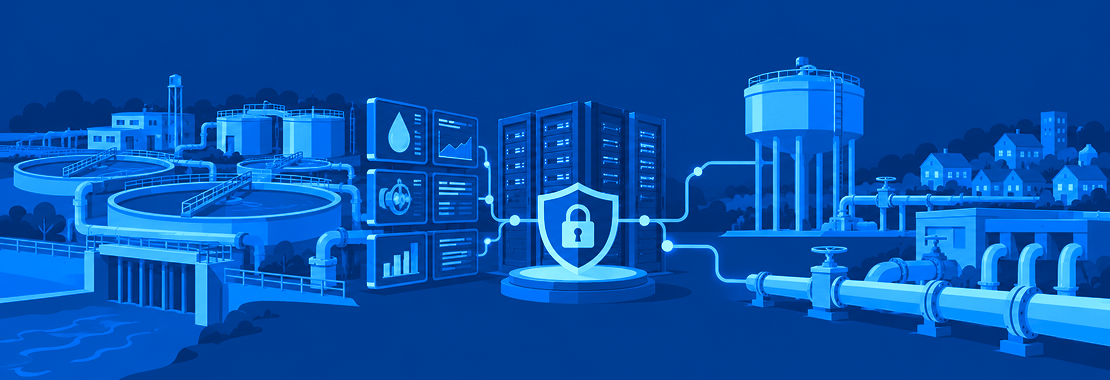
Address cybersecurity risks affecting water treatment plants, distribution infrastructure, operational monitoring and supporting business systems. Protect data integrity and improve preparedness for incidents that could affect service delivery.
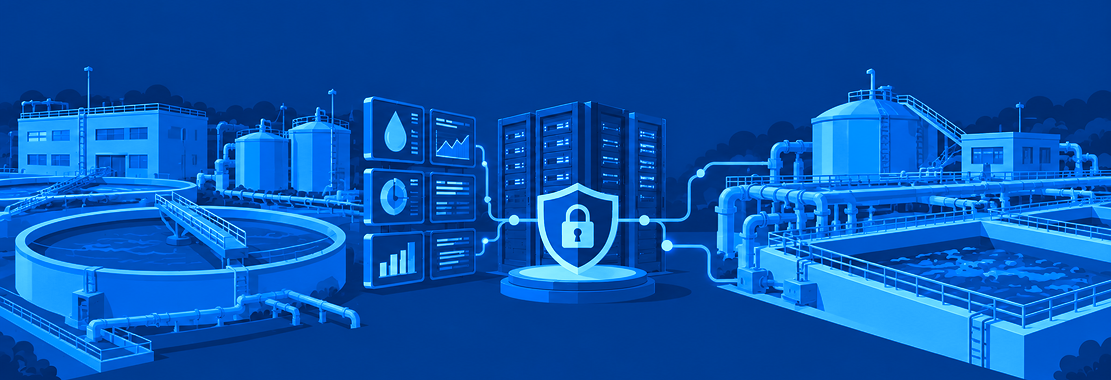
Assess risks across wastewater treatment facilities, connected control systems and supporting infrastructure. Improve visibility into potential weaknesses that could affect operational continuity and environmental protection.
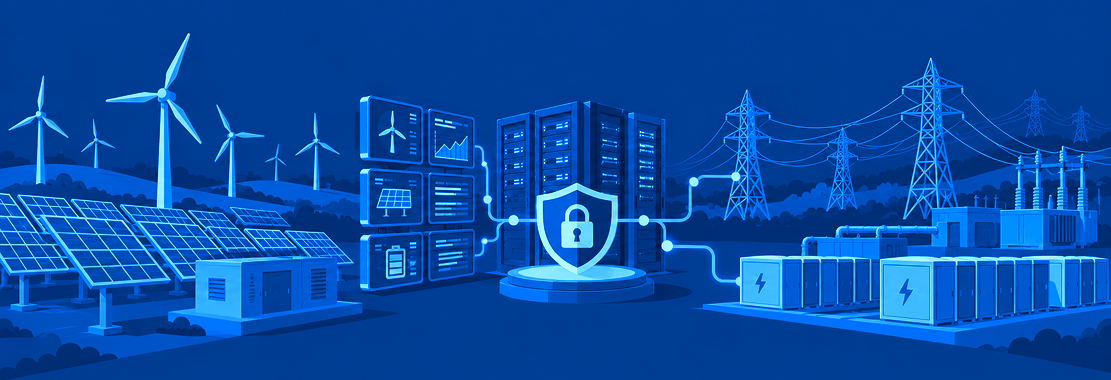
Evaluate risks affecting solar and wind facilities, battery storage, remote monitoring platforms and connected energy infrastructure. Strengthen security across systems that support modern energy distribution and management.
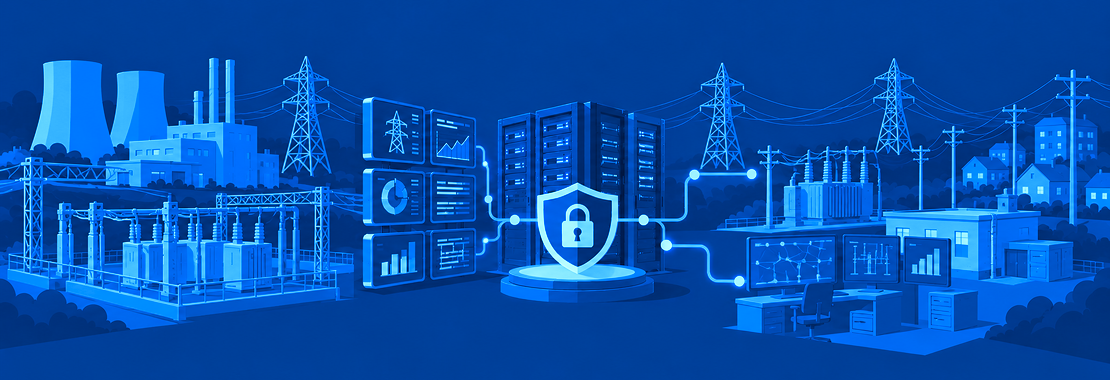
Review exposure across operational networks, control platforms, remote access and critical business applications. Prioritise security improvements according to operational impact and recovery requirements.
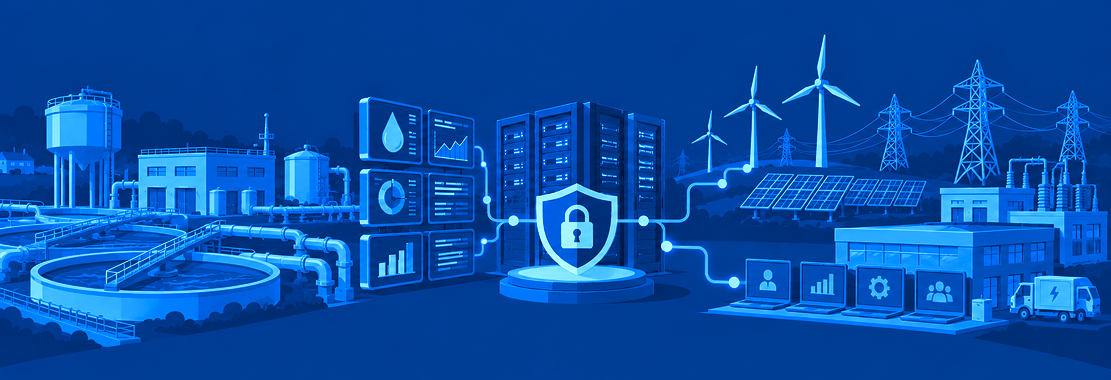
Help utility operators understand cyber exposure across customer platforms, enterprise applications, supplier access and operational technology. Build a clearer view of risks that could affect essential service delivery.
Cybersecurity for utilities requires an understanding of both digital threats and their potential physical consequences. CyberSec Consulting helps organisations identify weaknesses, evaluate exposure and prioritise improvements based on operational needs.

Identify security weaknesses across critical infrastructure, enterprise systems and connected operational environments.
Examine attack paths and evaluate how weaknesses could affect critical assets and essential services.
Reduce unauthorised access risks involving employees, engineers, contractors and service accounts.
Align security priorities with applicable regulations, recognised frameworks and internal risk requirements.

Strengthen internal capabilities through technical expertise, support and relevant workforce development.
Improve protection across networks, endpoints, cloud environments and supporting systems.

Improve the ability to identify suspicious activity, coordinate response and support recovery.
Utility providers cannot afford to treat cybersecurity as a purely technical concern. The consequences of a breach may affect public safety, environmental protection, economic activity and national infrastructure. A proactive utilities cybersecurity strategy helps identify weaknesses, improve threat visibility and prepare teams for incidents that could interrupt essential services. CyberSec Consulting works with organisations to understand their exposure and strengthen security around their most important assets.
Protect critical infrastructure. Preserve essential services. Build operational resilience.
Talk to CyberSec Consulting →Utility companies provide essential services that support homes, businesses and critical infrastructure. A cyberattack can disrupt electricity, water treatment or wastewater operations. Strong utilities cybersecurity helps protect operational systems, reduce service interruptions and support public safety.
Major threats include ransomware, phishing, credential theft, DDoS attacks, industrial control system compromise, supply chain attacks and unauthorised remote access. Utilities must also consider threats involving SCADA platforms, smart grids, cloud services and connected operational technology.
A cyberattack may disrupt monitoring systems, compromise supporting infrastructure or interfere with operational processes. The consequences depend on the systems affected and the attacker's level of access. A major incident can create power delivery problems and affect organisations that depend on reliable electricity.
Water treatment plants rely on connected systems to monitor equipment, regulate processes and manage distribution. Weak access controls, vulnerable software or compromised remote connections can expose these environments. Security measures should protect process integrity, monitoring accuracy and safe operations.
Utilities should maintain accurate asset inventories, restrict access, monitor critical connections and manage vulnerabilities according to operational risk. Network segmentation and carefully controlled remote access can reduce exposure. Security testing must also account for the availability and safety requirements of industrial systems.
SCADA security protects the systems used to monitor and control industrial processes. Weaknesses may expose operational data, control interfaces and connected equipment. Strong access controls, secure configurations, monitoring and tested recovery procedures can help reduce the risk of unauthorised activity.
Ransomware may disrupt business applications, operational support systems and access to essential information. Recovery can be complex when affected systems support physical processes. Utilities need incident response plans, protected backups and procedures for validating systems before restoring normal operations.
Utilities in the UAE should assess risks affecting power infrastructure, water treatment, connected operational systems and critical service providers. Organisations should review applicable UAE cybersecurity requirements and sector specific obligations. CyberSec Consulting can help identify exposure and prioritise improvements that support service resilience.
Utility companies in Saudi Arabia should evaluate threats involving electricity infrastructure, water services, industrial control systems, remote access and supplier connections. Organisations should assess applicable National Cybersecurity Authority requirements and relevant sector obligations based on their classification and regulatory scope.
Utilities across Africa can strengthen cyber resilience by improving asset visibility, restricting privileged access, addressing high risk vulnerabilities and preparing for service disruptions. Priorities should reflect local infrastructure, operational needs and available resources. Incident response planning is important for reducing recovery delays.
Water utilities in Egypt should review security across treatment facilities, monitoring platforms, distribution systems and supporting business applications. Access controls, vulnerability management, incident response planning and operational safeguards can help reduce exposure. Organisations should also consider applicable Egyptian data protection and critical infrastructure requirements.
Utilities in the UK should assess applicable requirements under the Network and Information Systems Regulations, data protection legislation and relevant sector guidance. Specific obligations depend on the organisation, its services and its regulatory status. Security programmes should address incident reporting, service resilience and supplier risks.
Utilities in Qatar should assess risks affecting power generation, water treatment, connected control systems and remote management platforms. Strong access controls, secure configurations, incident response planning and supplier oversight can improve resilience. Organisations should review applicable national cybersecurity and sector specific requirements.
Operational technology controls or monitors physical processes. A security incident can therefore affect service availability, equipment and safety, not just information systems. Utility security programmes must balance threat reduction with operational continuity and the need to maintain safe processes.
Utilities should review supplier security, restrict external access and monitor connections used by contractors and maintenance providers. Access should be limited to approved systems and business requirements. Supplier agreements should also address security expectations and incident notification responsibilities.
Copyright © 2026 CyberSec Consulting - All Rights Reserved