Protect the
Systems
That Keep
Society Running

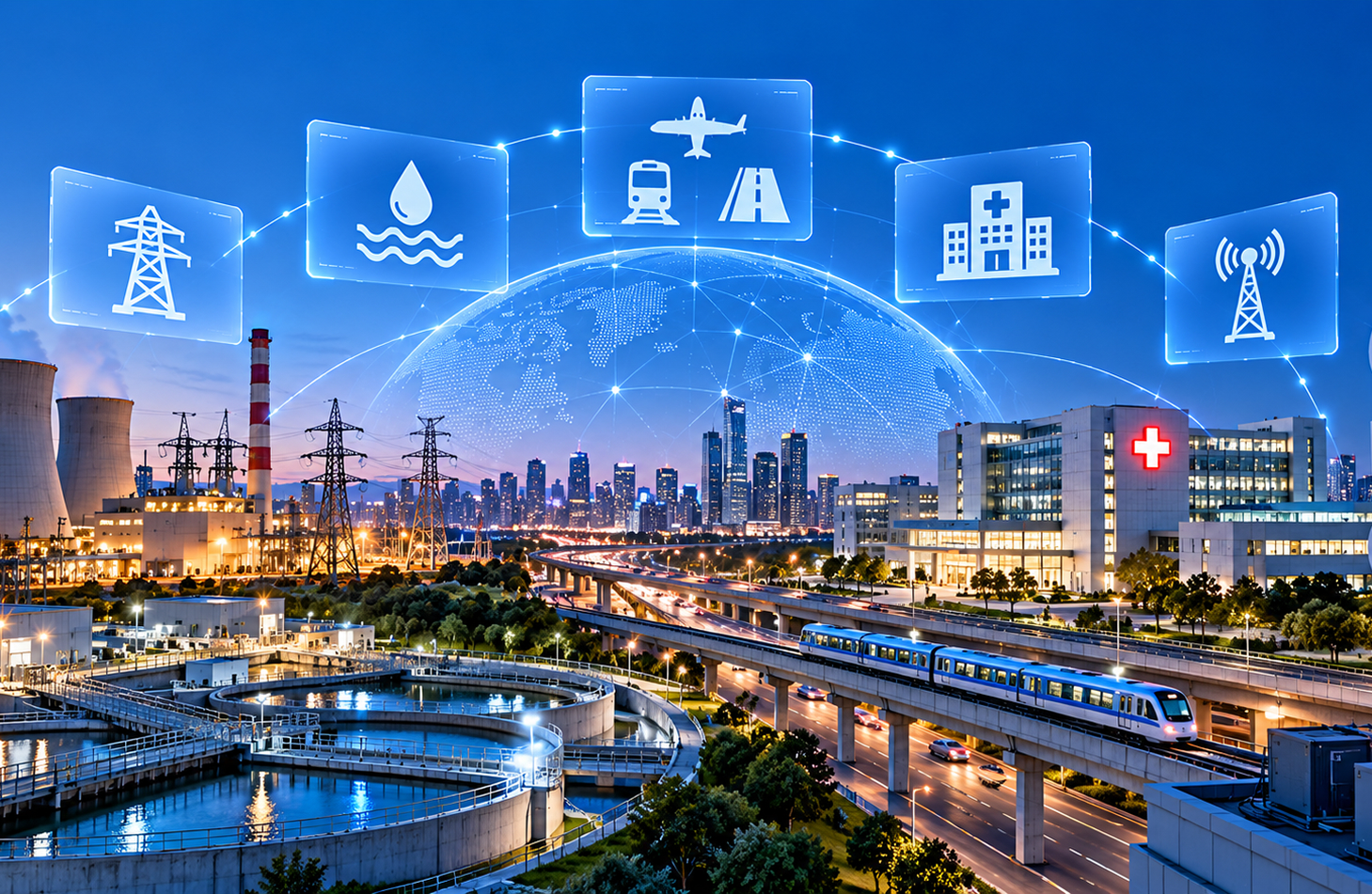
Critical infrastructure supports the services people depend on every day. Electricity networks, water treatment plants, transport systems, healthcare facilities and communication networks keep communities functioning.
A cyberattack against these systems can create consequences far beyond data loss. Power interruptions can stop production. Water system attacks can threaten public safety. Transport disruptions can delay emergency response and supply chains.
Critical infrastructure cybersecurity is essential to national resilience, public safety and economic stability. CyberSec Consulting helps organisations identify cyber risks, strengthen security controls and protect the systems that support essential services.
Why Critical Infrastructure Cyberattacks Are So Dangerous
Critical infrastructure organisations manage systems where security failures can affect physical operations. A compromised business network may also create a pathway towards operational technology and industrial control systems.
The consequences can extend across entire communities and economies.
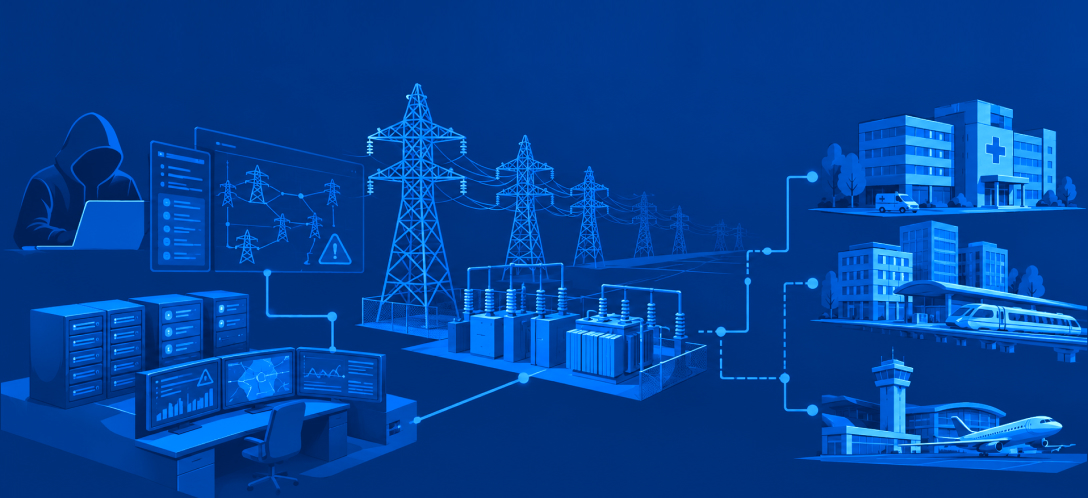
Power Grid Disruption
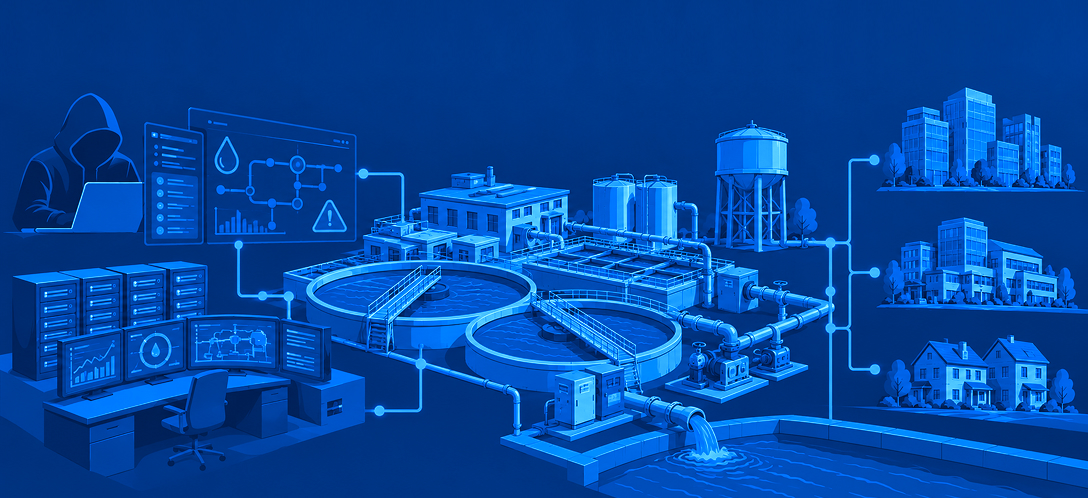
Water Supply and Treatment Risks
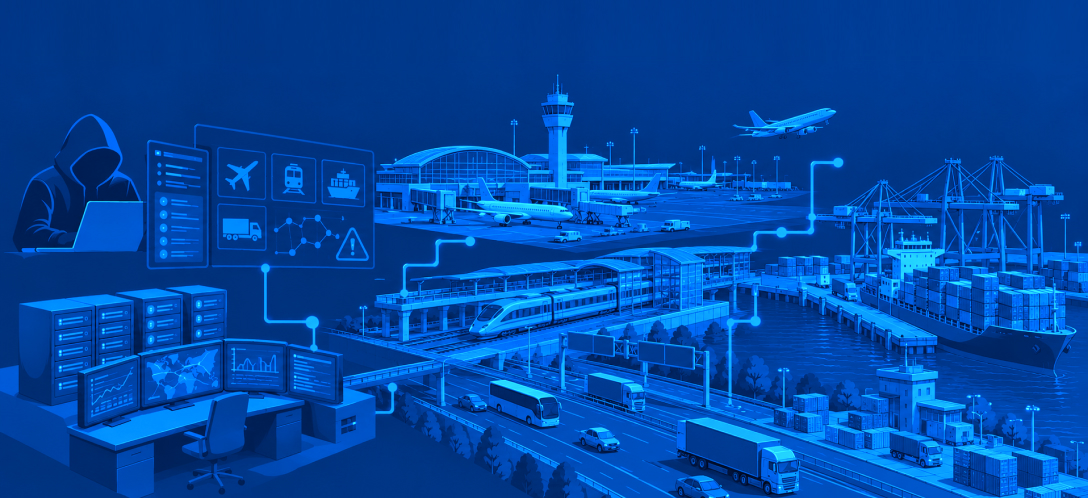
Transport Network Disruption
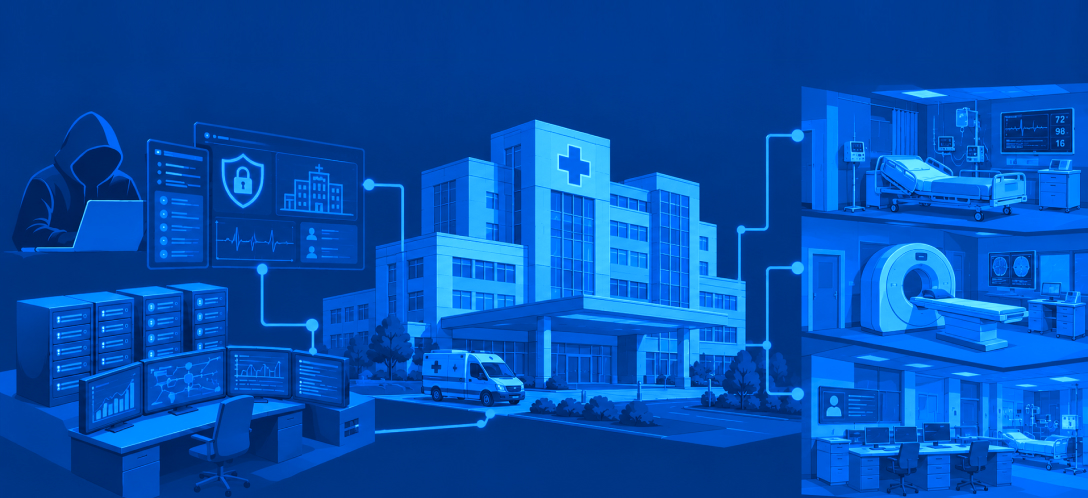
Healthcare Service Disruption
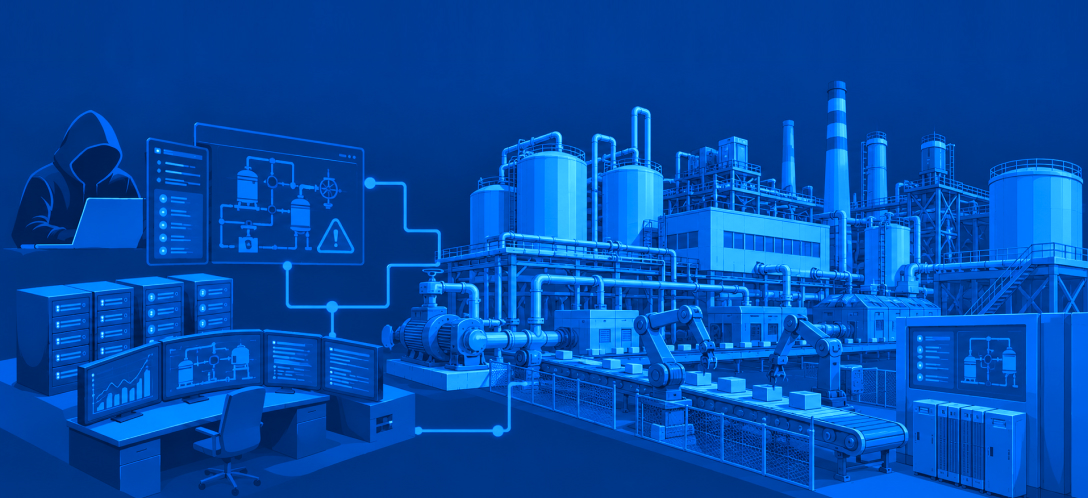
Industrial Control System Compromise
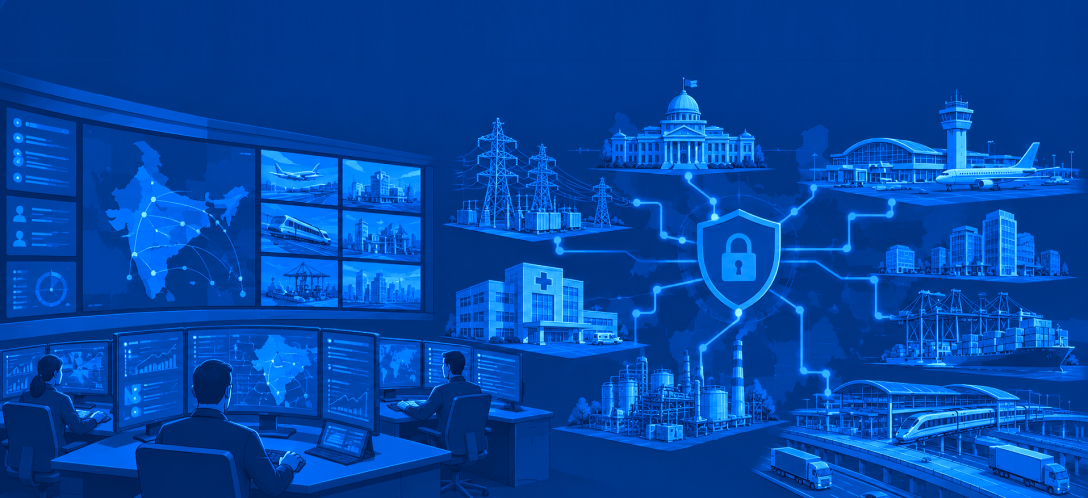
National Security and Public Safety Threats
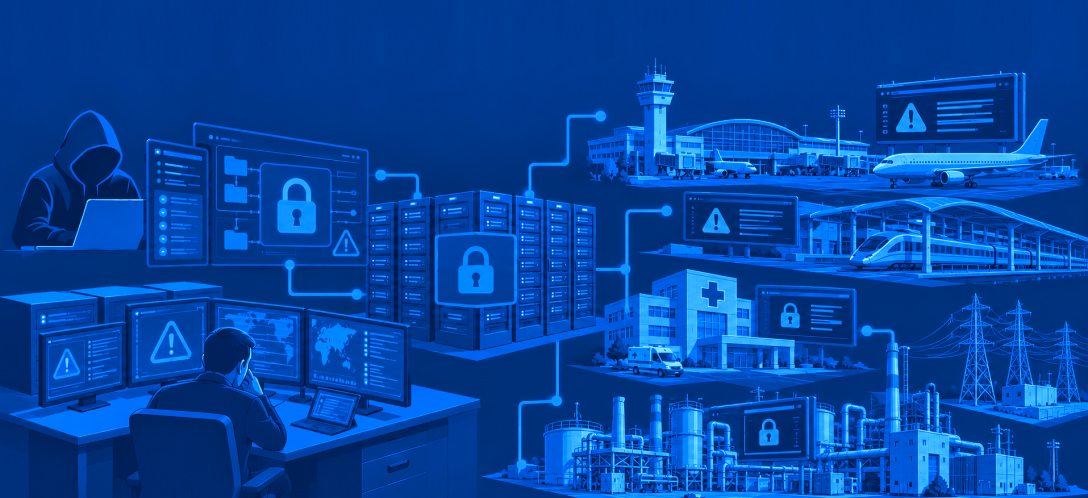
Ransomware and Extended Outages
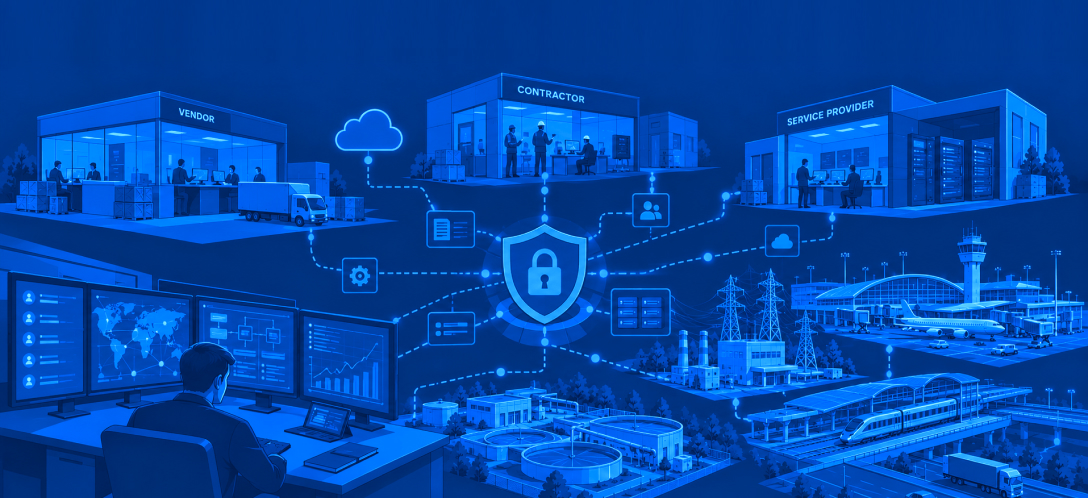
Supply Chain and Third Party Exposure
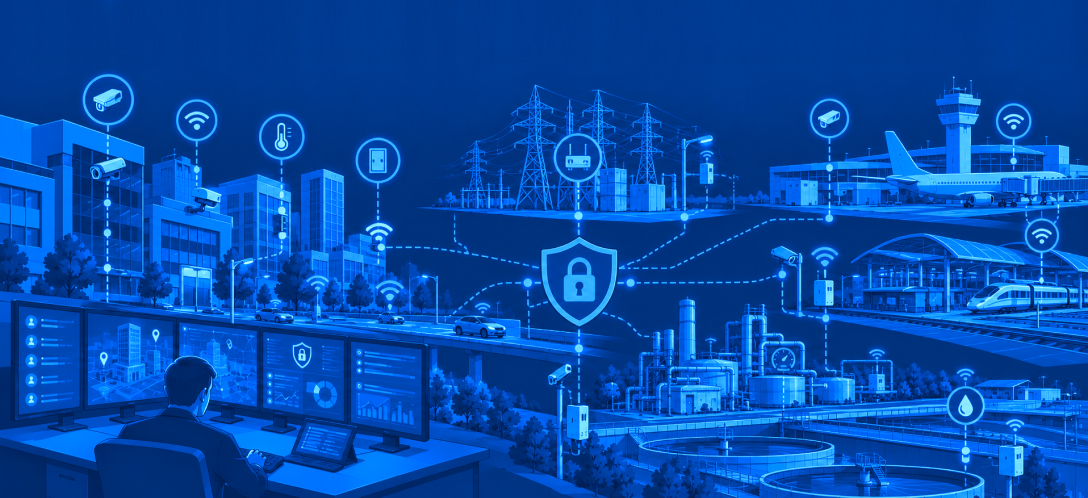
Smart Infrastructure and Connected Device Risks
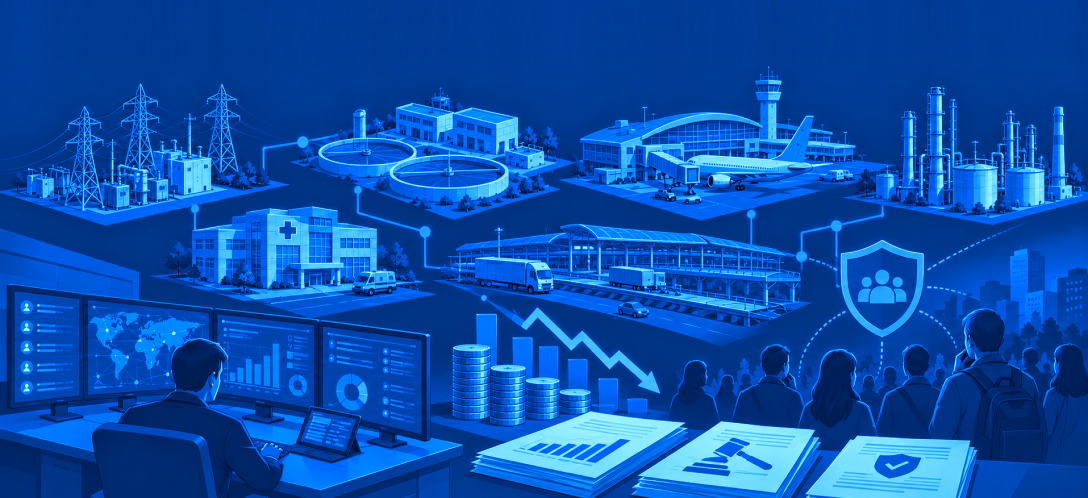
Economic Loss and Public Confidence
Critical Infrastructure Sectors That Need Stronger Cybersecurity
Cybersecurity risks differ across infrastructure environments. Each sector has its own operational priorities, safety requirements and technology dependencies.
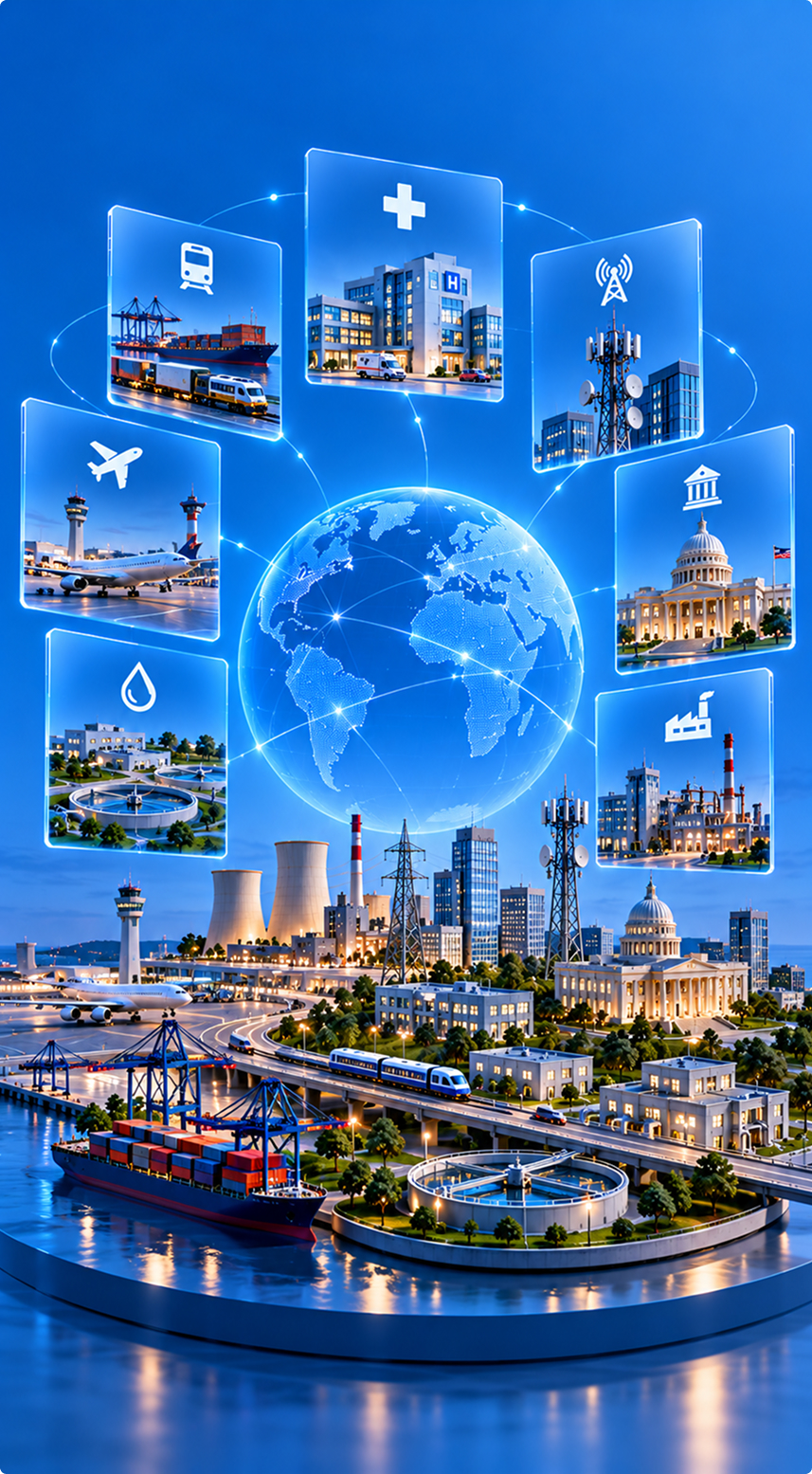
Energy and Electricity
Energy providers must protect generation, transmission, distribution and control systems. Cybersecurity gaps can affect grid reliability and energy supply.

Transportation and Logistics
Airports, ports, railways and logistics providers depend on connected operational systems. Cyber incidents can disrupt movement, scheduling and cargo operations.

Water and Wastewater
Water operators need to protect treatment facilities, pumping systems, distribution networks and monitoring platforms. Security failures can affect service continuity and public safety.

Healthcare Infrastructure
Healthcare facilities need reliable access to clinical applications, medical devices and supporting infrastructure. Security incidents can affect patient care and essential services.

Telecommunications
Communication networks support emergency response, business activity and public services. Cyberattacks can affect network availability and the systems that coordinate essential operations.
Government and Public Services
Government infrastructure supports public administration, emergency coordination and citizen services. Cybersecurity weaknesses can expose sensitive information & disrupt public service delivery.

Industrial & Manufacturing Facilities
Industrial operators rely on control systems, engineering workstations and connected production technology. Attacks can interrupt manufacturing and affect safety, equipment and supply chains.
How CyberSec Consulting Helps Protect Critical Infrastructure
CyberSec Consulting helps critical infrastructure operators understand cyber exposure and reduce risks that could affect essential services. Our approach considers business IT, operational technology, industrial control systems and the connections between them. The objective is to identify weaknesses, prioritise critical risks and improve resilience without overlooking operational requirements.
Critical Infrastructure
Risk Assessment
Identify security weaknesses across essential systems and supporting infrastructure. Prioritise risks based on their potential effect on service availability, safety and business continuity.
Operational Technology
Security Assessment
Evaluate security exposure across industrial control systems and connected operational environments. Identify gaps that could allow attackers to access sensitive systems or interfere with physical processes.
Industrial
Network Security
Review network boundaries and connections between corporate IT and operational technology. Identify unnecessary access paths and weaknesses that could enable an attack to spread.
Critical System
Vulnerability Assessment
Identify vulnerable devices, exposed services and insecure configurations. Prioritise remediation according to operational risk and the potential consequences of exploitation.

Identity and Privileged
Access Protection
Review who can access critical infrastructure systems and administrative interfaces. Reduce excessive permissions and help protect privileged accounts from misuse.
Threat Monitoring and
Incident Readiness
Improve visibility into suspicious activity across critical environments. Strengthen incident investigation and response planning to help contain threats before they cause wider disruption.

Compliance and
Cyber Risk Governance
Assess security practices against relevant regulatory and industry requirements. Help organisations establish clearer accountability, risk priorities and evidence of security control effectiveness.
Security Awareness and
Operational Preparedness
Help employees recognise phishing, suspicious access requests and other common attack methods. Support incident exercises that prepare teams to respond to realistic infrastructure threats.
Strengthen Critical Infrastructure Resilience with CyberSec Consulting
Critical infrastructure cybersecurity protects more than computers and networks. It helps protect essential services, public safety and economic stability. A single cyber incident can disrupt power, water, transport or industrial operations. Organisations need to understand their exposure before attackers exploit it. CyberSec Consulting works with infrastructure operators to identify security gaps, assess operational risks and strengthen cyber resilience across critical environments.
Protect Essential Services. Prevent Disruption. Strengthen National Resilience.
Talk to CyberSec Consulting →FAQs
Critical infrastructure cybersecurity in the UAE helps protect essential services such as energy, water, transport and communications. A cyberattack can disrupt operations, expose sensitive information or affect public safety. Infrastructure operators should assess cyber risks across business networks, industrial systems and external connections.
Critical infrastructure operators in Saudi Arabia may face ransomware, industrial system compromise, phishing and attacks against remote access services. Energy, water and transport operators should understand how threats could affect operational technology. Regular risk assessments and incident response planning help reduce exposure.
Critical infrastructure operators across Africa can improve resilience by identifying critical assets, securing remote access and reviewing connections between business IT and operational technology. Staff awareness, recovery planning and regular security assessments can help reduce the risk of extended service disruption.
Infrastructure operators in Egypt should assess risks affecting energy, water, transport and industrial systems. Exposed control interfaces, weak credentials and compromised suppliers can create serious security concerns. Organisations should also consider applicable Egyptian cybersecurity and data protection requirements.
Critical infrastructure organisations in the UK should identify the regulatory requirements relevant to their sector and operations. Applicable obligations may include the Network and Information Systems Regulations and sector specific security requirements. Organisations should assess incident reporting, risk management and operational resilience duties.
Critical infrastructure organisations in Qatar can strengthen operational technology security by reviewing connected assets, restricting remote access and monitoring critical networks. Incident response planning and risk based vulnerability management can help reduce the chance of operational disruption. Organisations should also consider applicable national cybersecurity requirements.
Critical infrastructure cybersecurity protects the digital systems that support essential services. These systems include industrial control technology, operational networks, business applications and connected devices. The objective is to prevent unauthorised access, reduce disruption and protect service availability.
A successful attack may disrupt services, expose sensitive data or interfere with industrial processes. Consequences depend on the systems affected and the attacker’s capabilities. Severe incidents can cause outages, financial losses, safety concerns and lengthy recovery efforts.
IT security focuses on systems that process and store information. Operational technology security focuses on systems that monitor or control physical processes. OT security must account for safety, availability and operational constraints as well as confidentiality and integrity.
Organisations should identify connected control assets, restrict access and monitor relevant network activity. They should review vulnerabilities and reduce unnecessary connections between IT and OT. Security changes must be planned around operational safety and system availability.
Network separation can limit the movement of attackers between corporate systems and operational environments. It reduces unnecessary communication paths and helps contain incidents. Appropriate separation should reflect operational dependencies and legitimate business requirements.
Ransomware can make operational data and supporting systems unavailable. Organisations may need to isolate affected environments and move to approved recovery procedures. Disruption can affect service delivery, production and public confidence.
Water utilities should secure treatment systems, remote access and monitoring platforms. They should review connected devices and restrict access to critical control functions. Incident response and continuity plans can help maintain essential services during a cyber event.
Energy companies should assess exposure across generation, transmission, distribution and supporting control systems. Secure remote access, appropriate network separation and risk based vulnerability management can help reduce exposure. Response planning should consider the consequences of losing visibility or control.
Transport infrastructure relies on connected systems for scheduling, navigation, access management and logistics. A cyberattack can disrupt passenger services, cargo movement and operational coordination. Security reviews help identify weaknesses that could affect service availability.
Copyright © 2026 CyberSec Consulting - All Rights Reserved