Protect Every
Purchase Secure
Every Customer
Keep Retail
Running

Every Customer
Keep Retail
Running
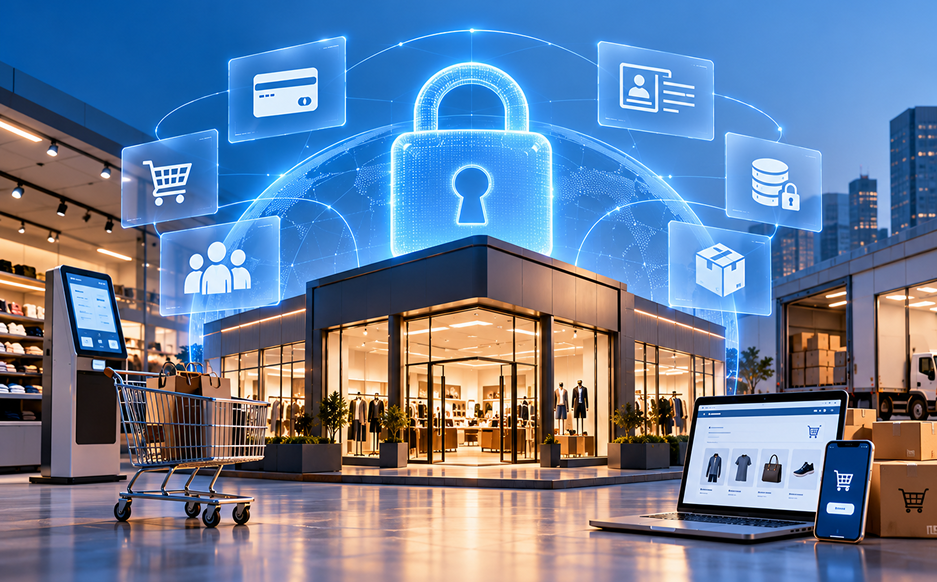
837 retail security incidents. 419 confirmed data breaches. Verizon’s 2025 Data Breach Investigations Report recorded these figures for the retail sector. System intrusion, social engineering and basic web application attacks accounted for 93% of retail breaches analysed in the report. Customer information, credentials and payment data remain valuable targets for cybercriminals.
Retail cybersecurity is now a business critical priority. A single cyberattack can disrupt checkout systems, expose customer records, compromise online shopping platforms and interrupt store operations. Retailers need strong cybersecurity to protect every point of sale, digital channel and customer interaction.
CyberSec Consulting helps retail businesses strengthen their cybersecurity posture, reduce digital risk and protect critical business operations.
Retail businesses manage valuable customer information, payment transactions, supplier connections and large volumes of sales data. Every digital touchpoint can create an opportunity for attackers.
A successful attack can affect an entire retail network. The damage can extend well beyond the initial breach.

Compromised payment systems can expose transaction data and enable payment fraud. Attackers may target point of sale systems, payment gateways and checkout applications. The resulting losses can include fraudulent transactions, investigation costs and regulatory penalties.

Retailers collect names, contact details, account credentials, purchase histories and other personal information. A data breach can expose this information to criminals. Stolen records can support identity theft, account takeover and targeted fraud.

Online stores depend on websites, mobile applications, APIs and payment integrations. A cyberattack can make these channels unavailable or manipulate transactions. Every hour of downtime can mean lost sales and abandoned shopping carts.

Ransomware can disrupt inventory systems, warehouse operations, billing platforms and business applications. Retail teams may lose access to essential systems during recovery. Multiple branches can face operational delays at the same time.

Retailers depend on suppliers, logistics companies, payment providers and technology partners. A compromised third party can become an entry point into retail networks. Attackers may exploit trusted connections to reach business systems and sensitive information.

Customer accounts and loyalty programmes can contain valuable personal and commercial data. Criminals may use stolen passwords to take over accounts, redeem rewards or make unauthorised purchases. Weak account security can increase fraud across digital channels.

Modern retail depends on connected inventory, warehouse and distribution systems. An attack can corrupt stock records or interrupt order fulfilment. These disruptions can affect product availability, delivery commitments and revenue.

Customers expect retailers to protect their information and purchases. A major cyber incident can damage that confidence. Negative publicity, customer complaints and lost loyalty can continue long after systems are restored.
Retail technology continues to expand across physical stores, ecommerce platforms and connected supply chains. Each new connection can introduce additional risk.
Retail cybersecurity challenges include:
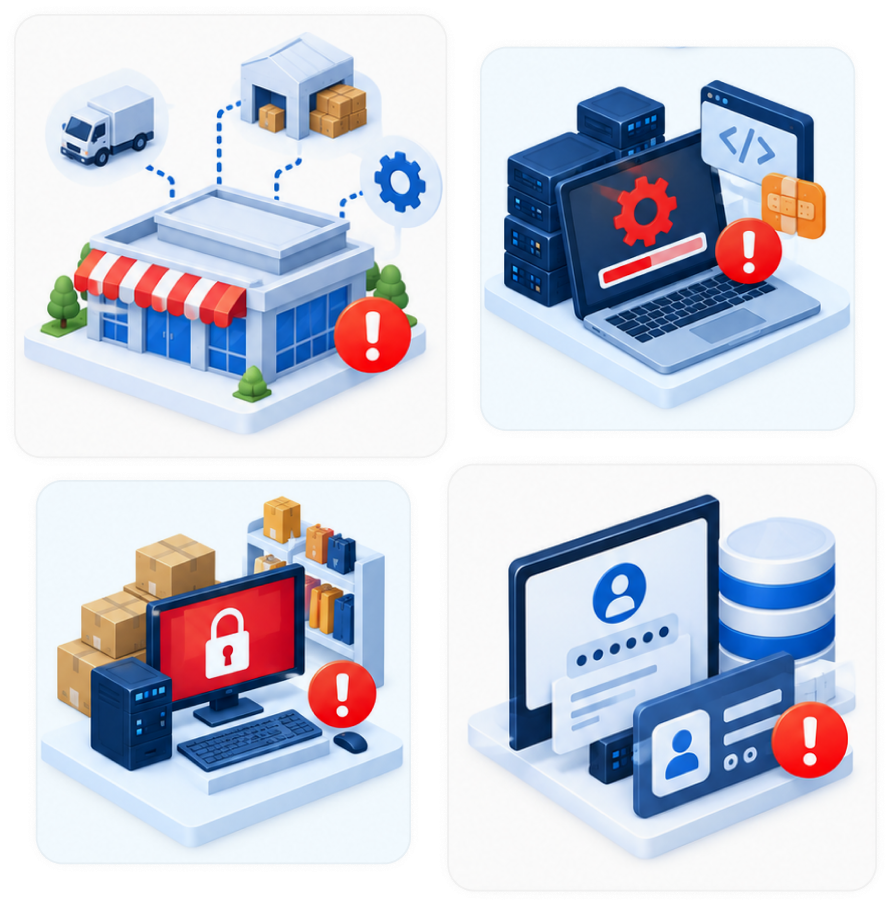
CyberSec Consulting helps retail organisations understand their cyber exposure and improve their ability to prevent, detect and respond to attacks. Our approach considers the risks affecting physical stores, online retail platforms, payment environments, corporate networks and connected business partners. We help organisations identify security weaknesses and prioritise improvements based on business impact.

Understand the weaknesses that could expose retail systems, customer information and business operations. Identify critical risks and prioritise remediation based on their potential impact.

Evaluate the security of retail applications, websites, networks and other exposed assets. Discover exploitable weaknesses before cybercriminals use them to gain access.
Identify vulnerabilities that could affect online shopping, customer accounts, APIs and digital payment journeys. Improve confidence in the systems that support digital retail.
Reduce the risk of unauthorised access to sensitive retail systems. Review user permissions, privileged accounts and access controls across employees, contractors and external partners.
Identify security gaps across retail infrastructure and cloud environments. Improve visibility into exposed assets, misconfigurations and weaknesses that could disrupt business services.
Strengthen ongoing visibility into suspicious activity and emerging threats. Improve the ability to investigate incidents and respond before an attack causes wider disruption.
Help retail organisations assess their security posture against relevant requirements. Consider obligations such as PCI DSS for payment card environments and applicable privacy laws for customer data.
Improve security awareness and incident readiness across retail teams. Help employees recognise phishing, suspicious requests and other threats that could compromise business systems.
A retail cyberattack can affect more than a single store or website. It can disrupt revenue, expose customer information and weaken business confidence. CyberSec Consulting works with retail organisations to identify critical vulnerabilities, strengthen security controls and reduce cyber risk across their operations. Secure your retail business before attackers find the gap.
Contact CyberSec Consulting to discuss cybersecurity risks affecting your stores, ecommerce platforms and retail infrastructure.
Talk to CyberSec Consulting →Retail cybersecurity in the UAE helps protect customer information, payment transactions, ecommerce platforms and store operations. Retailers face risks from phishing, ransomware, account takeover and payment fraud. CyberSec Consulting helps UAE retail businesses identify vulnerabilities, assess cyber risk and strengthen their security posture.
Retailers in Saudi Arabia face threats such as ransomware, payment fraud, customer data theft and attacks against ecommerce applications. Third party access and weak credentials can also expose retail networks. A retail cybersecurity assessment can help Saudi businesses identify security gaps and prioritise improvements.
Retail companies across Africa can reduce cyber risk by reviewing exposed systems, strengthening access controls and assessing supplier connections. Regular security testing, employee awareness and incident response planning can help limit the impact of cyberattacks. Cybersecurity priorities should reflect each retailer’s infrastructure and operating environment.
Retailers in Egypt should identify where customer and payment data is stored, processed and accessed. Secure payment environments, restrict unauthorised access and review application vulnerabilities. Retail cybersecurity measures should also account for applicable Egyptian data protection requirements and relevant payment security standards.
Retailers in the UK should consider UK GDPR, the Data Protection Act 2018 and PCI DSS where payment card data is involved. Cybersecurity reviews should assess personal data protection, access controls, incident response and supplier risk. Applicable obligations depend on the retailer’s activities and the information it processes.
Retail businesses in Qatar can strengthen ecommerce security by testing websites and APIs, securing customer accounts and reviewing payment integrations. Strong access controls, timely remediation and continuous monitoring can help reduce exposure. Retailers should also assess applicable Qatari data protection and cybersecurity requirements.
A retail cybersecurity risk assessment identifies weaknesses that could expose business systems, customer information and operations. It examines potential threats, vulnerabilities and business consequences. The findings help retailers prioritise remediation and make informed cybersecurity investment decisions.
Attacks against point of sale systems can disrupt checkout operations, expose payment information or enable unauthorised activity. Compromised systems may also affect multiple store locations. Retailers should assess payment environments, restrict system access and address vulnerabilities promptly.
Ransomware can prevent employees from accessing essential systems and business data. Retailers may experience checkout delays, disrupted stock management, interrupted deliveries and lost online sales. Recovery can require technical investigation, system restoration and business continuity measures.
Ecommerce websites process customer accounts, transactions and personal information. Attackers may exploit application vulnerabilities, weak authentication or exposed APIs to steal data or disrupt sales. Regular security testing and timely remediation help reduce these risks.
Retailers should understand where sensitive information resides and who can access it. Strong authentication, appropriate permissions, secure configurations and regular security reviews can reduce exposure. Retailers should also maintain incident response procedures and follow applicable privacy obligations.
PCI DSS establishes security requirements for organisations that store, process or transmit payment card data, subject to the standard’s scope and applicability rules. Retailers should assess their payment environment and address relevant control gaps. Compliance activities should be supported by effective security practices.
Retailers can reduce third party risk by assessing supplier security, limiting external access and reviewing integrations. Vendor accounts should have appropriate permissions and be monitored according to risk. Contracts and incident procedures should clearly address security responsibilities.
Yes. A compromise affecting central systems, shared infrastructure or widely used software can disrupt multiple stores. The impact may extend to inventory, payments, logistics and online sales. Retailers should evaluate dependencies and test recovery arrangements for critical business services.
Cloud security helps protect retail applications, customer data and business workloads hosted in cloud environments. Reviews can identify excessive permissions, insecure configurations and exposed resources. Effective cloud security also supports visibility and resilience as retail operations expand.
Copyright © 2026 CyberSec Consulting - All Rights Reserved